
6 Things to Check in Fund of Funds and SPV Software for Real Estate
 Jacob BlackettLast Updated: Nov 12, 2026
TL;DR
- Fund of funds and special purpose vehicle (SPV) software keeps each investor's ownership and distributions correct when a sponsor raises a vehicle that invests into another sponsor's deal.
- The first check is look-through ownership, which shows each investor's indirect share of the underlying property through the vehicle.
- Distributions pass through two waterfalls, the deal's and then the vehicle's, so both belong in one system with one investor record.
- Reporting and Schedule K-1s run at each layer, and the vehicle's K-1s usually wait on the K-1 it receives from the deal.
- SponsorCloud supports investment pools and funds of funds, and its Fund of Funds Program supports managers structuring multi-fund vehicles.
- This page is general guidance and is not legal or tax advice.
Fund of funds and SPV software should handle six things a layered structure adds to a single-deal syndication. Look-through ownership, separate investor records for each vehicle, distributions through two waterfalls and reporting at each layer come first. The other two are K-1 timing when the upstream K-1 runs late and scoped access for each sponsor involved.
Fund of funds and SPV software is investor platform software for an SPV or fund of funds, where a sponsor pools investors into the vehicle and the vehicle invests into one or more underlying deals. It keeps each investor's ownership and distributions correct at every layer, for the general partner (GP) who raised the vehicle and for each limited partner (LP) in it.
How Fund of Funds and SPV Structures Work
In commercial real estate (CRE) sponsor usage, a fund of funds means a sponsor raising a pooled vehicle from its own investors into another sponsor's deal. The phrase also has an institutional meaning, where an allocator buys into many separate funds, and that sense sits outside this page.
An SPV is an entity formed to pool investors for one investment, while an investment pool gathers repeat investors into a vehicle that can take part in more than one deal.
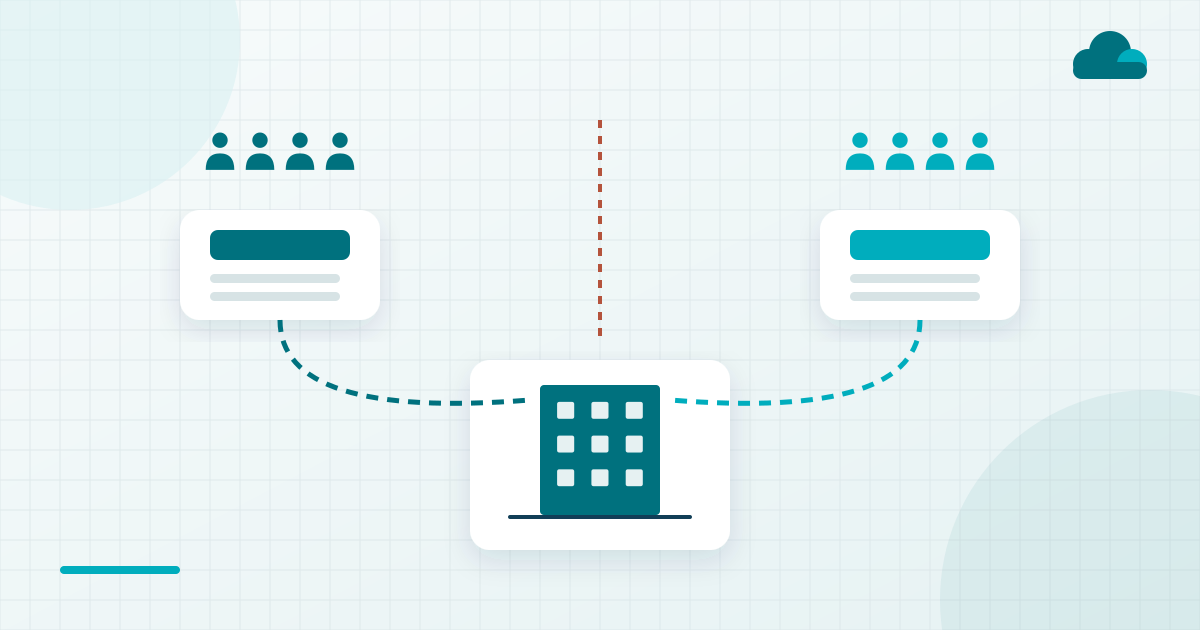
A fund of funds raises into another sponsor's deal in two steps. The sponsor raises from its own investors into the vehicle, and the vehicle then subscribes to the underlying deal as one investor under that deal's operating agreement.
Sponsors use layered vehicles to pool smaller checks into one subscription or to give repeat investors access to other operators' deals. A sponsor who has raised as a GP and also allocated as an LP into other sponsors' deals tends to notice how each layer looks from the investor's seat.
Two sponsors sharing the GP role on one deal is a co-GP structure, which is a separate subject from vehicles layered on a deal.
Each check below was chosen for four reasons. A layered structure adds it to a single-deal syndication, it touches what investors own or receive, it shows up in the vehicle's first year, and a sponsor can test it in a demo.
The table below sets out the six checks with the failure each one prevents and the demo request that tests it.
| Check | What Goes Wrong Without It | What to Ask in a Demo |
|---|---|---|
| Look-through ownership | Conflicting answers on exposure | One investor, both layers shown |
| Separate records per vehicle | Repeat investors split across files | One investor in two pools |
| Two waterfalls | Notices and records disagree | One distribution through both layers |
| Reporting at each layer | Upstream figures retyped each quarter | One vehicle report, end to end |
| Upstream K-1 timing | Investors wait without updates | Status notice and portal delivery |
| Access for each sponsor | Investor list exposed upstream | The upstream sponsor's view |
What to Check in Fund of Funds and SPV Software
Every check below follows the same order. Each overview says when the layer matters. What to Check lists what to ask a vendor to show, and Where It Goes Wrong names the spreadsheet failure.
Look-Through Ownership
Look-through ownership matters from the first investor question about exposure to a property. An investor in the vehicle owns a share of the vehicle, and through it an indirect share of the underlying deal, so the platform should show both figures on the investor's record.
What to Check
- Pick one investor and ask the vendor to show that investor's share of the vehicle and of the underlying deal.
- Confirm the indirect share updates when the vehicle's ownership changes.
Where It Goes Wrong
The indirect share usually lives in a side calculation that someone updates by hand. When an investor transfers an interest or the vehicle admits a late investor, the side sheet drifts, and two people on the team give the investor two different answers.
Separate Investor Records for Each Vehicle
Separate records matter once a repeat investor sits in more than one vehicle. One investor may hold interests in two pools and a direct deal, and each vehicle needs its own cap table and documents tied to one investor record.
What to Check
- Ask the vendor to open one investor who holds interests in two vehicles.
- Check that each vehicle keeps its own cap table, subscription documents, distribution history and tax forms.
- Confirm the sponsor can see the whole relationship from the investor record before opening the next pool.
Where It Goes Wrong
Running an investment pool for repeat investors from one spreadsheet per vehicle splits each relationship into pieces. The investor relations (IR) team then rebuilds each investor's history by hand whenever a new pool opens, and a commitment made through one vehicle gets missed in the next.
Distributions Through Two Waterfalls
Two waterfalls apply every time the underlying deal distributes. The deal's waterfall pays the vehicle as one investor under the deal's operating agreement, and the vehicle then runs its own waterfall to its investors under its own documents. Sponsors comparing waterfall calculation software for two-layer distributions should test both steps on one payment.
What to Check
- Ask the vendor to run one distribution from the deal into the vehicle and out to the vehicle's investors.
- Check that each waterfall reads its terms from that entity's own documents.
- Confirm the investor's distribution notice and investor record show the same figure.
Where It Goes Wrong
The second layer often lives in a separate spreadsheet built after the upstream payment arrives. Notices go out from that sheet while the investor record still holds older figures, and the two drift apart over time.
Reporting at Each Layer
Reporting at each layer matters every quarter the vehicle holds the investment. Investors in the vehicle want the property's performance and their own position in the vehicle in one report, which means the upstream sponsor's reporting has to flow into the vehicle's reports.
What to Check
- Ask the vendor to produce one vehicle report that shows property results next to the investor's position in the vehicle.
- Check how upstream figures enter the system and who reviews them.
- Confirm the report reaches investors through the same portal as direct deals.
Where It Goes Wrong
Retyping upstream figures into a vehicle report each quarter is slow, and each cycle adds a chance of error. Manual quarterly reporting compounds a small problem into a larger one as the number of vehicles grows.
K-1 Timing When the Upstream K-1 Is Late
K-1 timing matters every tax season the vehicle exists. The vehicle usually cannot finish its own K-1s until it receives the K-1 from the deal it invests in, so a late upstream K-1 reaches every investor in the vehicle.
What to Check
- Ask whether the platform can send investors a status notice that explains the upstream dependency.
- Check that each K-1 can go to the investor portal the day it is ready.
Where It Goes Wrong
Investors in a vehicle often hear nothing while the sponsor waits on another sponsor's K-1. The silence reads as disorganization, and the calls land on the IR team during its busiest weeks.
Access for Each Sponsor
Access matters as soon as the upstream sponsor needs to see the vehicle's position in its deal. The sponsor running the vehicle and the sponsor running the underlying deal each need a defined view, and the vehicle's investor list stays with the sponsor who raised it.
What to Check
- Ask the vendor to log in as the upstream sponsor and show what that view contains.
- Confirm the vehicle's investor names and contact details stay out of that view.
Where It Goes Wrong
Shared folders and forwarded spreadsheets give the upstream sponsor more than it needs, and an investor list sent by email stays in the other sponsor's inbox for good.
How to Report to Investors in a Fund of Funds Structure
Reporting to investors in a fund of funds structure works when the underlying deal's results and the investor's position in the vehicle arrive together. Sponsors keep the same cadence they use for direct deals, so vehicle investors stay on the calendar everyone else follows.
When an update depends on the upstream sponsor's reporting, the sponsor says so in the update. Investors then know where the timing comes from before they call to ask.
Documents and K-1s for every vehicle belong in the same investor portal the investor already uses. An investor with interests in several vehicles then finds every document behind one login.
How SponsorCloud Handles Investment Pools and Funds of Funds
SponsorCloud is an investor platform, customer relationship management (CRM) and growth system for CRE sponsors, and investment pools and funds of funds are product surfaces of that platform. The administration side, described on the page for investment management software for pooled vehicles, covers waterfalls, distributions, K-1 workflows, investor reporting, and ownership and allocation information.
The company supports managers structuring multi-fund vehicles through SponsorCloud's fund of funds program. Where another sponsor runs the underlying deal, the platform supports multiple sponsors operating around one investment with appropriate data separation and visibility. A SponsorCloud customer can also provision a co-sponsor account to any co-GP or advisor it works with, at no cost.
Any vendor on a shortlist, SponsorCloud included, should run one investor through both layers in a demo.
How to Choose Software Before the Next Vehicle Opens
Walk the six checks against the next vehicle's documents and the current system before the raise opens. Fundraising tends to run ahead of internal systems, and the move from deal-by-deal raising to pooled vehicles is where that gap shows first.
Bring one real investor into the demo and follow that record through both layers and into the investor portal. This page is general guidance and is not legal or tax advice. To walk a planned vehicle through the six checks, schedule a consultation with SponsorCloud.
FAQs
What Is a Fund of Funds in Commercial Real Estate?
In commercial real estate, a fund of funds usually means a sponsor raising a pooled vehicle from its own investors and investing that vehicle into another sponsor's deal. The vehicle subscribes as one investor, and the sponsor who raised it reports to its investors. In institutional usage the phrase describes an allocator that invests in many separate funds.
What Is an SPV in a Real Estate Deal?
An SPV, or special purpose vehicle, is an entity formed to pool investors for one investment. In real estate a sponsor often uses one to gather smaller commitments into a single subscription to a deal. The SPV has its own operating agreement, investor records, distributions and tax filings, which is why it needs its own place in the investor platform.
What Is SPV Administration?
SPV administration is the ongoing work of running a special purpose vehicle after it closes. It covers the vehicle's investor records, its distributions under its own operating agreement, reporting to its investors and its tax documents. In a layered structure each of those depends on what the underlying deal reports and pays, so the two layers need to stay in step.
How Do Distributions Work in a Fund of Funds?
Distributions run in two layers, with the underlying deal paying the vehicle under the deal's waterfall as one investor and the vehicle then paying its own investors under its own waterfall. Keeping both layers in one system with one investor record keeps notices and records in agreement. This answer is general and is not tax or legal advice.
Why Do K-1s Take Longer in a Fund of Funds?
A fund of funds usually cannot finish its own K-1s until it receives the K-1 from the deal it invests in, so any delay upstream reaches every investor in the vehicle. A sponsor can tell investors early when a K-1 depends on another sponsor, then deliver it through the portal as soon as it is ready. This answer is educational and not tax advice.
Does SponsorCloud Support Investment Pools and Funds of Funds?
Yes, investment pools and funds of funds are product surfaces in the SponsorCloud investor platform, and its Fund of Funds Program supports managers structuring multi-fund vehicles. Where another sponsor runs the underlying deal, the platform supports multiple sponsors around one investment with appropriate data separation. Ask to see one investor followed through both layers in a demo.

Jacob Blackett
CEO and Co-Founder, SponsorCloud
Jacob Blackett is the CEO and co-founder of SponsorCloud. He raised capital and ran commercial real estate as a sponsor before he built software for other sponsors, and he still manages funds today. He built the platform that became SponsorCloud to solve problems in his own raises, tested it against real capital and real deadlines across his own portfolio, and then opened it to other GPs.
Related Signals
8 Documents to Put in Your Data Room Before a Real Estate Raise
Jacob BlackettThu, Nov 12, 2026
6 Things Sponsors Should Know About the Section 754 Election
Jacob BlackettWed, Nov 11, 2026
6 Rules for Texting Investors During a Real Estate Capital Raise
Jacob BlackettTue, Nov 10, 2026