7 Things That Break When Two Sponsors Share a Co-GP Deal
 Jacob BlackettLast Updated: Oct 26, 2026
TL;DR
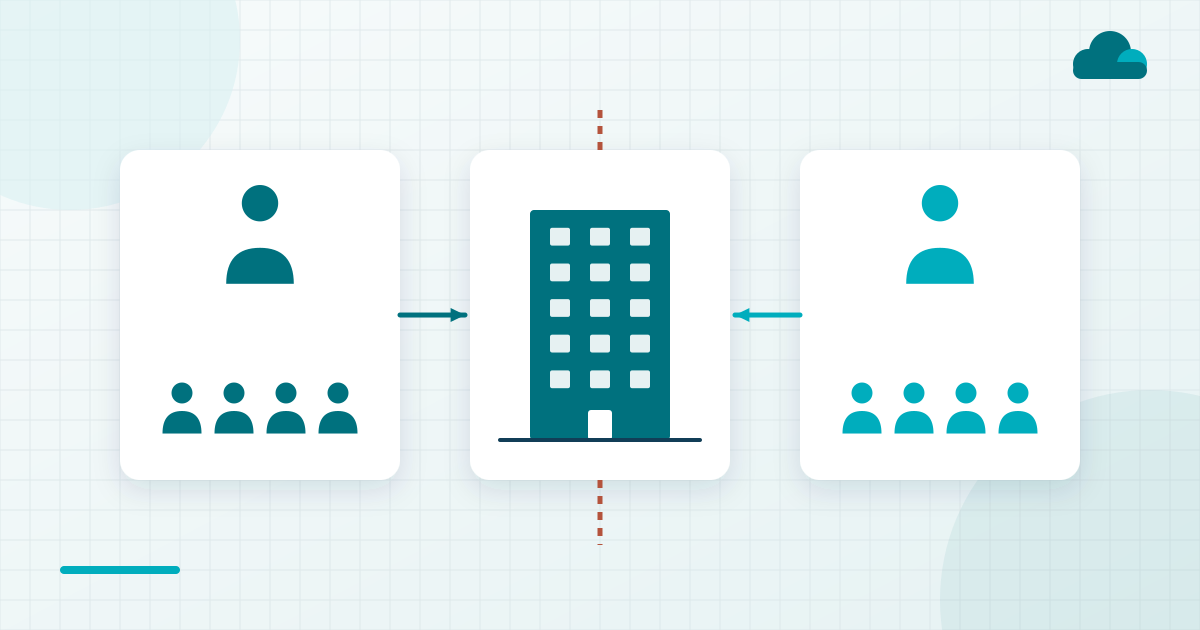
- A co-general partner (co-GP) deal is one investment run by two or more sponsors, each raising from its own investors into the same entity and sharing the general partner (GP) role.
- The first thing to break is ownership of the investor relationship, because both sponsors' investors land in one deal record.
- The other six break later in the deal, from contact visibility through to the exit, and each needs a rule agreed before the raise opens.
- Co-GP data separation means each sponsor sees the shared deal data and its own investors, while the other sponsor's investor book stays private.
- SponsorCloud supports multiple sponsors around the same investment with appropriate data separation and visibility, and a SponsorCloud customer can provision a co-sponsor account to a co-GP at no cost. Other investor platforms state co-GP separation on their own sites too.
Co-GP investor management software lets two or more sponsors raise and administer one co-GP deal while each keeps its own investor relationships and contact data separate. Seven things tend to break without it, starting with whose investors are whose. Each one is easier to settle in the co-GP agreement and the system setup before the raise opens.
How Co-GP Deals Work
A co-GP deal is a single real estate investment in which two or more sponsors share the general partner role, each raising capital from its own investors into the same entity. Co-GP investor management is the work of keeping each sponsor's investor relationships and economics correct and separate inside that one deal.
Sponsors co-GP to combine two investor bases for a larger deal, or to pair an operator who runs the asset with a sponsor who raises the capital. The roles often split along those lines. A lead sponsor runs the asset and the entity, and a co-sponsor brings capital and limited partners (LPs).
The co-GP agreement sets the economics and duties between the sponsors, and the operating agreement sets the terms for investors. Investment pools and funds of funds put more than one layer of vehicle around one investment, and the same separation questions apply to them. We chose the seven breaks below against four tests.
- It touches an investor relationship or the deal's economics.
- It can surface in an ordinary deal.
- It needs a system setting to prevent.
- It applies whether the sponsor leads or co-sponsors.
The table pairs each break with the point it surfaces and the rule to agree before the raise.
| Thing That Breaks | When It Shows Up | The Rule to Agree |
|---|---|---|
| Whose investors are whose | First soft commitment | Tag each investor to its sponsor |
| Who sees whose contacts | Shared tracker setup | Deal data shared, contacts kept private |
| How distributions split | First distribution | One system runs both layers |
| Reporting by sponsor | First investor report | Every report from one deal record |
| Which document version investors signed | First document revision | One data room, one current version |
| Schedule K-1s and tax questions | First K-1 season | Agreement names who delivers and answers |
| The exit and the next deal | Sale or refinance | Sponsor tag accurate on sale day |
What Breaks When Two Sponsors Share a Co-GP Deal
Each break below follows the same four parts, an overview, what breaks, when it shows up and the rule to agree. The rule is a line in the co-GP agreement or a setting in the system, and usually both.
Whose Investors Are Whose
Settling investor ownership is suited to any co-GP deal, whether the sponsor leads or co-sponsors. It is the first thing to break.
What Breaks. Both sponsors' investors land in one deal record. Unless the system records which sponsor brought each investor, the link fades by the first distribution.
When It Shows Up. At the first soft commitment, when investors from both sponsors start arriving in the same raise.
The Rule to Agree. Agree in the co-GP agreement who owns each relationship, then tag every investor record by sponsor from the first soft commitment. The tag should carry through every distribution and into the next raise.
Who Sees Whose Contacts
Contact separation is suited to sponsors who will raise from the same investors again after this deal.
What Breaks. A shared spreadsheet or customer relationship management (CRM) system shows each sponsor the other's investor list and contact details. A sponsor's investor book is the asset it raises from, and the other sponsor now holds a copy.
When It Shows Up. When the two teams set up a shared tracker for the raise.
The Rule to Agree. Co-GP data separation keeps the deal data shared and each sponsor's contacts private. Each sponsor sees the deal and its own investors, which protects the relationships each will raise from again.
How Distributions Split
Distribution splits are suited to a review before the first payment in any deal where the co-GPs share the promote.
What Breaks. Distributions run in two layers, with the deal waterfall paying investors under the operating agreement and the general partner share then splitting between the co-GPs under their own agreement. When the second layer lives in a separate spreadsheet, distribution notices and each sponsor's records stop agreeing.
When It Shows Up. At the first distribution, and again when the waterfall reaches a new hurdle.
The Rule to Agree. Run both layers in one system. Investment distribution software can then send notices from the same calculation that waterfall calculation software for co-GP splits produced.
Reporting by Sponsor
Sponsor-level reporting is suited to co-GP deals where each sponsor reports to its investors under its own brand.
What Breaks. Each sponsor reports to its own investors from one deal's numbers. Reports built separately by each team drift apart on the same quarter, and investors judge the sponsor by what reaches them.
When It Shows Up. At the first investor report after closing.
The Rule to Agree. Agree one reporting calendar and build every report from the same deal record. Each sponsor's report can carry its own brand while the numbers stay identical.
Which Document Version Investors Signed
Document control is suited to raises where the subscription documents change after the first investors sign.
What Breaks. Subscription documents and investor updates move between two teams during the raise. Investors from one sponsor can end up signing a different version from investors of the other.
When It Shows Up. At the first revision to the subscription documents or the offering materials.
The Rule to Agree. Keep one data room with one current version that both sponsors' investors sign and read. Agree which team owns revisions.
K-1s and Investor Tax Questions
Tax delivery is suited to every co-GP deal held in a partnership, since the partnership issues a K-1 to each investor who holds in it directly.
What Breaks. Investors expect to hear from the sponsor they invested with. Their tax questions land with whichever team they know, whether or not that team holds the answer.
When It Shows Up. In the first K-1 season after closing.
The Rule to Agree. The co-GP agreement should say who delivers K-1s to each sponsor's investors and who answers their tax questions.
The Exit and the Next Deal
Exit planning is suited to sponsors who expect to raise again from this deal's investors.
What Breaks. A sale or refinance brings a final distribution and final K-1s. The record of which sponsor brought each investor then decides who invites that investor into the next deal.
When It Shows Up. At the sale or refinance, which can come years after the raise.
The Rule to Agree. Keep the sponsor tag on every investor record accurate through the hold, so it is correct on the day of sale. Agree in advance how the sponsors treat investors who came to know both of them.
What Co-GP Structures Require from a Sponsor's Systems
Co-GP structures require a system that keeps one deal's data shared and each sponsor's investor relationships separate. The requirements follow from the seven breaks above and apply to any platform a sponsor evaluates.
- Investor records tagged by sponsor on a shared deal
- Scoped access for each co-sponsor
- One waterfall that carries the co-GP split
- Reporting for each sponsor from the same numbers
- One current document version
- K-1 delivery to each sponsor's investors
SponsorCloud's platform supports multiple sponsors operating around the same investment while maintaining appropriate data separation and visibility. A SponsorCloud customer can provision a co-sponsor account to any co-GP it works with, at no cost. Jorge Abreu of Elevate Commercial Investment Group described SponsorCloud's co-GP feature in a testimonial on the SponsorCloud homepage.
"Their CoGP feature, I don’t know what I would do without that." Jorge Abreu, Elevate Commercial Investment GroupInvestment pools and funds of funds sit in the same platform as SponsorCloud's investment management software. SponsorCloud's fund of funds program supports managers structuring multi-fund vehicles.
Other investor platforms state co-GP separation on their own sites too. Ask any vendor, SponsorCloud included, to show one co-GP deal from both sponsors' logins before the raise opens.
How to Split Investor Relationships Between Co-GPs
Split investor relationships in writing before the raise opens. The co-GP agreement should say who owns each investor relationship and what happens when that investor is offered the next deal.
A common approach is that each sponsor keeps the investors it brought, including the right to offer them its next deal. Investors who arrive through a shared channel, such as a joint webinar, need a rule of their own.
Contact and solicitation terms between sponsors are a legal matter. They belong in the co-GP agreement, drafted with each sponsor's advisers.
The system then enforces what the agreement says. Investor records tagged by sponsor and scoped access for each co-sponsor turn the written split into what each team can see.
How to Set Up Your Next Co-GP Deal
Walk the seven breaks against the draft co-GP agreement and the system setup before the raise opens. For each one, name the clause or setting that prevents it, and flag any break that has neither. We see fundraising grow more sophisticated before internal systems do, and a co-GP deal exposes that gap quickly because two teams share one record.
This page is general guidance and is not legal or tax advice. The co-GP agreement and each sponsor's advisers settle the terms. To walk your next co-GP deal through the seven with our team, schedule a consultation with SponsorCloud.
Two sponsors who settle these seven points before the raise opens can raise together again, because each one's investor relationships stay intact through the exit.
FAQs
What Is a Co-GP Deal in Real Estate?
A co-GP deal is one real estate investment in which two or more sponsors share the general partner role. Each sponsor raises capital from its own investors into the same entity, and a co-GP agreement sets how the sponsors split economics and duties. Sponsors use it to fund a larger deal or to pair an operator with a capital raiser.
How Do Co-GPs Keep Investor Data Separate?
Co-sponsors keep investor data separate by tagging every investor record to the sponsor that brought it and giving each sponsor scoped access to the shared deal. Each sponsor then sees the deal data and its own investors, and the other sponsor's contacts stay private. Ask any platform to show a co-GP deal from both sponsors' logins.
Who Owns the Investor Relationship in a Co-GP Deal?
The co-GP agreement should say, and a common approach is that each sponsor keeps the relationships with the investors it brought, including the right to offer them its next deal. Write it down before the raise opens, then set up the investor platform so its records and access match what the agreement says. Legal terms belong with each sponsor's advisers.
How Are Distributions Split Between Co-GPs?
Distributions in a co-GP deal run in two layers, with the deal waterfall paying investors under the operating agreement and the general partner share then split between the co-GPs under their own agreement. Running both layers in one system keeps distribution notices and each sponsor's records in agreement. The split itself is a commercial term the co-GPs negotiate between themselves.
Who Sends K-1s in a Co-GP Deal?
The deal partnership issues a K-1 to each investor who holds in it directly, and a co-sponsor that pools its investors in its own entity issues their K-1s from that entity. The co-GP agreement should say which team delivers them and answers tax questions, so investors hear from the sponsor they invested with. This answer is educational and is not legal or tax advice.
Can a Co-GP Use the Lead Sponsor's Investor Platform?
Yes, where the platform supports co-sponsor access. On SponsorCloud, a sponsor can provision a co-sponsor account to any co-GP it works with at no cost, and the platform keeps appropriate data separation between the sponsors on the shared investment. Ask to see the co-GP's view of the deal during a demo before the raise opens.

Jacob Blackett
CEO and Co-Founder, SponsorCloud
Jacob Blackett is the CEO and co-founder of SponsorCloud. He raised capital and ran commercial real estate as a sponsor before he built software for other sponsors, and he still manages funds today. He built the platform that became SponsorCloud to solve problems in his own raises, tested it against real capital and real deadlines across his own portfolio, and then opened it to other GPs.
Related Signals