
6 Things Sponsors Should Know About the Section 754 Election
 Jacob BlackettLast Updated: Nov 12, 2026
TL;DR
- A Section 754 election is a choice a partnership can make so the tax basis of its property can be adjusted when a partnership interest changes hands.
- Sponsors usually meet it when a limited partner (LP) sells an interest or an interest passes to an heir, and the question lands with the controller and the fund's certified public accountant (CPA).
- The decision sits at the partnership level, so the sponsor as general partner (GP) and the fund's CPA settle it together under the operating agreement.
- Once made, the election adds bookkeeping that follows the incoming partner into later years and shows up in that partner's Schedule K-1.
- Whether and how it can be revoked is a question to settle with the CPA from current IRS guidance before making it.
- This page is educational and is not tax advice. Every rule comes from the fund's CPA and current IRS sources.
When an LP sells an interest, a Section 754 election is a partnership decision, so the sponsor as GP settles it with the fund's CPA, who prepares the election and calculates the adjustment. The controller keeps the transfer details and the bookkeeping that follows on the investor record for later years.
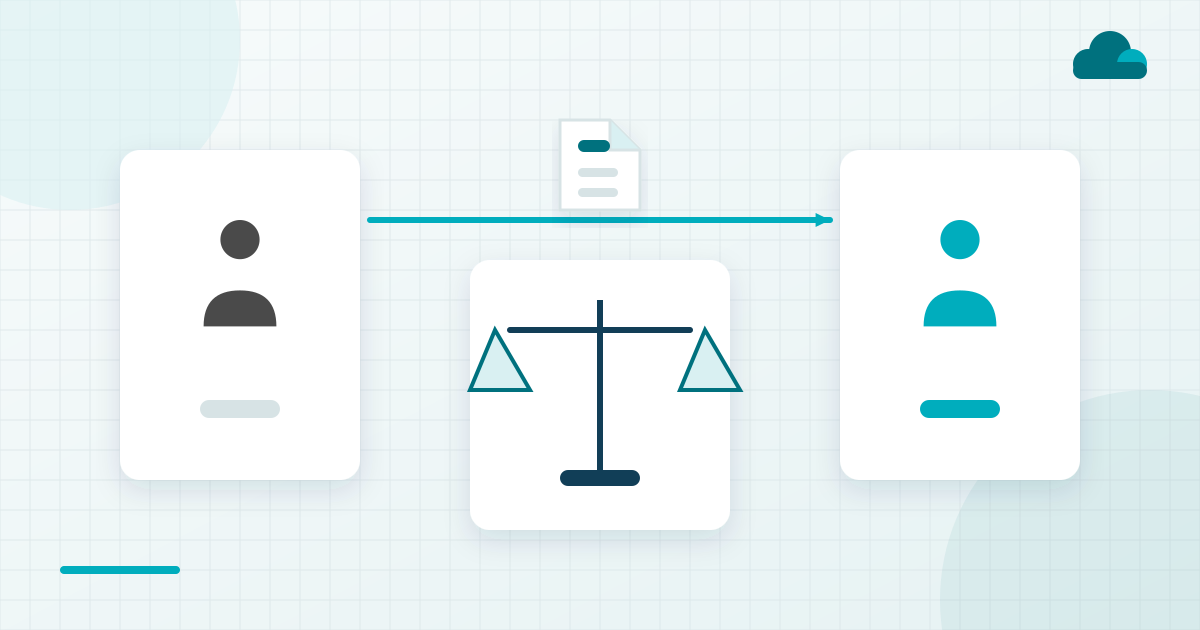
A Section 754 election is an election a partnership can make so that, when a partnership interest changes hands, the basis of the partnership's property can be adjusted for the partner involved. For a real estate sponsor it is a decision about a fund's books that usually comes up when an LP sells or inherits an interest.
What a Section 754 Election Is
IRS guidance describes the Section 754 election as allowing a partnership to adjust the basis of its property after a distribution of partnership property or certain transfers of a partnership interest. The partnership makes it by attaching a statement to its timely filed return, including extensions, for the year the distribution or transfer occurs.
Two kinds of basis sit underneath it. Inside basis is the partnership's basis in the property it owns, and outside basis is a partner's basis in its interest. A buyer of an interest can end up with outside basis that differs from its share of inside basis, and that gap is what the election addresses.
The answer affects the incoming partner's K-1 and the fund's books for years. K-1 delivery and hiring a CPA are separate subjects, and this page covers the election itself.
Each item below was chosen because a fund controller or chief financial officer (CFO) has to act on it, and because it touches an investor's K-1 or the partnership's books. Every rule mentioned was checked against IRS guidance. The table below lists the six things to know with why each matters and who owns it.
| Thing to Know | Why It Matters to a Sponsor | Who Owns It |
|---|---|---|
| Effect on inside basis | Incoming partner's numbers change | CPA |
| What brings it into play | Transfers and certain distributions | Controller flags, CPA confirms |
| Who decides | Partnership-level decision | Sponsor as GP, with CPA |
| Bookkeeping that follows | Tracked into later years | Controller |
| Effect on the K-1 | One LP's K-1 differs | CPA, with investor relations |
| Revocation | One-time or standing work | Sponsor and CPA |
What Sponsors Should Know About the Section 754 Election
Every item below follows the same order. Each overview says when the point matters. What to Check lists what the controller and CPA confirm, and Where It Goes Wrong names the cost of skipping it.
What the Election Does to Inside Basis
The basis effect matters when an incoming partner pays a price that differs from its share of the partnership's basis. With the election in place, the partnership adjusts the basis of its property for the partner who acquired the interest, and the Form 1065 instructions say the adjustment affects only that transferee's basis in partnership property.
What to Check
- How the CPA calculates the adjustment, confirmed from IRS guidance.
- How the adjustment is allocated across the partnership's assets.
Where It Goes Wrong
Without a clear calculation on file, each later year's numbers get rebuilt from memory. The incoming partner's figures then drift away from the partnership's own records.
What Brings It Into Play
The triggers matter whenever an interest changes hands. The Form 1065 instructions tie the transfer adjustment to a sale or exchange of a partnership interest or a transfer on the death of a partner, and IRS guidance names certain distributions of partnership property as the other trigger.
IRS rules also require a basis reduction in some loss situations even without an election, so the CPA reviews each transfer either way.
What to Check
- A process for the controller to flag every sale or inheritance of an LP interest.
- The CPA's review of each transfer, with or without an election in place.
Where It Goes Wrong
A transfer approved mid-year is easy to lose track of, and the CPA hears about it once the return is already being prepared.
Who Decides to Make It
The decision matters before the first transfer, because the election is made by the partnership. The sponsor as GP decides with the fund's CPA, and the operating agreement may say whether a transferring or incoming partner can ask for it.
What to Check
- What the operating agreement says about the election and partner requests.
- When the CPA needs the decision to include the statement with the return.
Where It Goes Wrong
An incoming partner who expected the election, and learns the partnership never made it, raises the question with the sponsor directly. Settling the approach early saves a rushed decision at tax time.
The Bookkeeping That Follows
The bookkeeping matters for as long as the election stays in effect. IRS guidance says the election applies to all distributions and transfers in the year it is first filed and in later years, and each adjustment is tracked for the partner it applies to.
What to Check
- The transfer date, price paid, adjustment amount and assets it was allocated to, kept on the investor record.
- One owner on the controller's team for the adjustment schedule.
- Who keeps the schedule when real estate fund administration and investor records sit with an outside provider.
Where It Goes Wrong
Adjustments kept in a spreadsheet beside the books pile up as more transfers come in. Each later K-1 then depends on someone finding the right version of that sheet.
How It Shows Up on the K-1
The K-1 effect matters every year after the transfer. The Form 1065 instructions say the partnership adjusts the transferee's distributive share of partnership items and reports the adjustments on that partner's Schedule K-1. As a result, the incoming partner's K-1 can differ from another LP's with the same percentage interest.
What to Check
- How the CPA reports the adjustment, confirmed from current instructions.
- A short explanation for the investor relations team to give the incoming partner.
Where It Goes Wrong
An investor who compares K-1s with another LP sees different numbers and suspects an error. Investor relations then has to explain an adjustment nobody briefed them on.
Whether It Can Be Revoked
Revocation matters before the election is made. IRS guidance says the election can be revoked only with the Commissioner's permission, through a request that states the reasons, and a revocation sought mainly to avoid a reduction in basis will not be approved.
What to Check
- Whether the sponsor expects more transfers in this fund over the hold.
- The CPA's view of the standing work the election creates.
Where It Goes Wrong
Sponsors who make the election for one transfer find the bookkeeping continuing for every later transfer. The cost of that work belongs in the decision from the start.
Who Handles a 754 Election When an LP Sells an Interest
When an LP sells an interest, the sponsor as GP approves the transfer under the operating agreement and decides on the 754 election with the CPA. The CPA prepares the election statement and calculates the adjustment, and the controller records the transfer and the adjustment on the investor record.
The Form 1065 instructions also ask the partnership to attach a statement that names the transferee and shows how the adjustment was computed and allocated. The incoming partner may ask for the election. The transferring partner still receives a K-1 for the year of the transfer, and the CPA confirms how its part of the year is reported.
The election is made on the partnership return and its effect appears on the K-1s, which usually sit with the same CPA or tax service.
How SponsorCloud's Tax Services Fit
SponsorCloud's real estate tax services for partnerships cover entity tax returns for partnerships and syndicators, K-1 preparation and delivery for all investors, multi-state filings and investor profile audits. Investors receive their tax documents through the SponsorCloud investor platform.
Sponsors can read more on the page for professional services from in-house CPAs, and ask in a consultation how a transfer of an LP interest would be handled for a specific fund.
How to Plan for a 754 Election Before the Next Transfer
Agree with the CPA, before the next LP transfer, how the sponsor will decide on the election and where the transfer details will be kept. Decisions made in the back office ahead of time keep a transfer from turning into a scramble at return time.
This page is educational and is not tax advice. To review how transfers are handled across a fund, schedule a consultation with SponsorCloud.
FAQs
What Is a Section 754 Election?
A Section 754 election is an election a partnership can make so the basis of its property can be adjusted when an interest changes hands. For a real estate sponsor it usually comes up when an LP sells or inherits an interest, and the fund's CPA confirms how it applies. This answer is educational and not tax advice.
Who Decides Whether to Make a 754 Election?
The election is made by the partnership, so the sponsor as general partner decides with the fund's CPA, and the operating agreement may say whether an incoming partner can ask for it. Agreeing the approach before the next transfer saves a rushed decision at tax time. This answer is educational and is not tax advice.
When Does a 754 Election Come Up in a Real Estate Fund?
Sponsors usually meet the election when an LP sells an interest or an interest passes to an heir, and certain distributions can raise it too. Which events lead to an adjustment, and when one is required, are rules the fund's CPA applies from current IRS guidance. This answer is educational and not tax advice.
How Does a 754 Election Affect an Investor's K-1?
The adjustment is made for the partner who acquired the interest, so that partner's K-1 can differ from another LP's with the same percentage interest. A sponsor's investor relations team should have a short explanation ready for that investor, and the CPA confirms how the adjustment is reported. This answer is educational and is not tax advice.
Can a 754 Election Be Revoked?
Whether and how a 754 election can be revoked is set by IRS rules, and the answer decides whether the bookkeeping is a one-time task or a standing one. Sponsors should settle it with the fund's CPA from current IRS guidance before making the election. This answer is educational and is not tax advice.
Does SponsorCloud Prepare Partnership Returns?
Yes, SponsorCloud's tax services prepare entity tax returns for partnerships and syndicators, along with K-1 preparation and delivery for all investors, multi-state filings and investor profile audits. Tax documents are delivered through the SponsorCloud investor platform. Ask during a consultation how a transfer of an LP interest would be handled for a specific fund.

Jacob Blackett
CEO and Co-Founder, SponsorCloud
Jacob Blackett is the CEO and co-founder of SponsorCloud. He raised capital and ran commercial real estate as a sponsor before he built software for other sponsors, and he still manages funds today. He built the platform that became SponsorCloud to solve problems in his own raises, tested it against real capital and real deadlines across his own portfolio, and then opened it to other GPs.
Related Signals
8 Documents to Put in Your Data Room Before a Real Estate Raise
Jacob BlackettThu, Nov 12, 2026
6 Rules for Texting Investors During a Real Estate Capital Raise
Jacob BlackettTue, Nov 10, 2026
7 Things That Slow Down Self-Directed IRA Investments in a Syndication
Jacob BlackettMon, Nov 9, 2026