
7 Things That Slow Down Self-Directed IRA Investments in a Syndication
 Jacob BlackettLast Updated: Nov 12, 2026
TL;DR
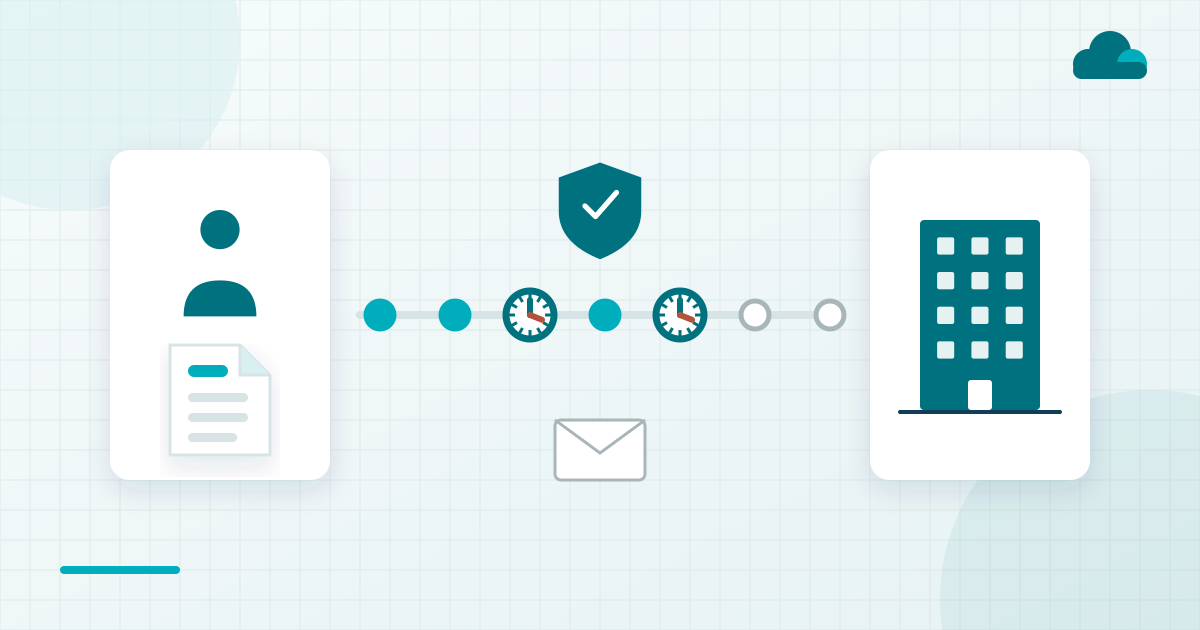
- A self-directed individual retirement account (IRA) investment reaches a syndication through a custodian, which approves the investment and funds it on the account's behalf.
- Delays before closing usually start with custodian paperwork and titling, which run alongside the sponsor's own subscription documents.
- Funding from a custodian follows the custodian's process, so IRA money can arrive after a closing date set around cash investors.
- After closing, custodians ask for valuations and receive distributions and tax documents for the account. IRA investors also raise questions about unrelated business income tax (UBIT).
- SponsorCloud supports retirement capital and self-directed IRA (SDIRA) workflows and has a relationship with Equity Trust.
- This page is educational and is not tax or investment advice for any individual account.
Self-directed IRA investments slow down at seven points in a syndication. Custodian paperwork, titling, direction letters and custodian funding time hold up the close, and three more follow after closing, from valuation requests to reporting to the custodian. Software for raising capital from self-directed IRAs should track each IRA investor's custodian details and document status from soft commit through every distribution.
A self-directed IRA investment is a purchase made by an IRA whose custodian accepts alternative assets, such as an interest in a real estate syndication. The account owner directs the investment, and the custodian approves it and holds the interest for the account.
How a Self-Directed IRA Investment Reaches a Syndication
A self-directed IRA investment brings in several parties, each with a different job. The account owner chooses the investment and signs a direction of investment letter. The custodian approves the investment, signs for the account, sends the funds and later receives distributions, while the sponsor runs the offering and keeps the investor record.
Self-directed IRAs are commonly used for private real estate through a custodian that accepts alternative assets. IRS guidance treats improper use of an IRA by the account owner, a beneficiary or any disqualified person as a prohibited transaction, and disqualified persons include the owner's fiduciary and certain family members.
Whether a given account can invest in a given deal is a question for the investor's custodian and tax adviser.
Adding retirement capital is one way a sponsor opens a new investor channel, because it reaches investors whose savings sit in retirement accounts. Working with registered investment advisers is a separate subject, and this page covers the sponsor's own operating process for IRA capital.
Each item below was chosen because it adds time or rework for an IRA investor that a cash investor does not face, and because the sponsor's process or software can act on it. The table below lists the seven delays with when each one shows up and what the sponsor can do about it.
| What Slows It | When It Shows Up | What the Sponsor Can Do |
|---|---|---|
| Custodian paperwork | Before subscription | Ask about custodian at soft commit |
| Titling to the IRA | Subscription documents | Check titling before signature |
| Direction letters | Before funding | Track the letter on record |
| Custodian funding time | Before closing | Plan IRA close with custodian |
| Valuation requests | Year-end, after closing | Keep value on investor record |
| UBIT questions | Diligence and tax season | Describe deal, refer to adviser |
| Reporting to the custodian | Each distribution and tax document | Custodian details on record |
What Slows Down Self-Directed IRA Investments
Self-directed IRA delays fall on both sides of the close. The first four items land before closing and the last three after it, and each one follows the same sub-structure.
Custodian Paperwork
Custodian paperwork matters as soon as an investor says the commitment will come from an IRA. The custodian has its own forms to approve a private investment, and they run alongside the sponsor's subscription documents.
What to Check
- Ask at soft commit whether the investor is using an IRA and which custodian holds it.
- Keep each custodian's requirements in the data room so the investor sees them with the subscription documents.
- Record which custodian forms are still open on the investor record.
Where It Goes Wrong
A subscription waits when nobody on the sponsor's team knows which forms the investor's custodian needs. The investor learns about the forms late, and the custodian's review starts after the sponsor expected the money.
Titling the Investment to the IRA
Titling matters the moment subscription documents go out. The subscription documents and the investor record name the IRA, through its custodian, as the investor, with the account owner identified.
What to Check
- Use the titling wording from the custodian's own instructions.
- Keep the IRA and the account owner in separate fields on the investor record.
- Review titling before documents go to signature.
Where It Goes Wrong
Documents titled to the account owner personally go back to the investor for correction. Each round trip adds a signature cycle and pushes the IRA investor further from the close.
Direction Letters
Direction letters matter between signature and funding. The account owner signs a direction of investment letter that instructs the custodian to invest, and the sponsor's part is telling the investor early that the letter is needed.
What to Check
- Tell the investor at soft commit that a direction letter will be needed.
- Track on the investor record whether the letter has reached the custodian.
Where It Goes Wrong
The sponsor waits on a wire while the custodian waits on a letter the investor never sent. Nobody notices until the closing date is near.
Funding Time from the Custodian
Custodian funding time matters in the final stretch before closing. The custodian reviews the paperwork and then sends the wire on its own schedule, which can differ from the sponsor's plan.
What to Check
- Ask the investor's custodian how its review and wire process works.
- Plan the IRA close around the custodian's answer.
- Show each IRA investor's funding status on the investor record.
Where It Goes Wrong
A closing date set around cash investors can arrive before IRA money does. Sponsors lose investors between soft commit and wire when the process starts to feel improvised, and an IRA investor waiting on a custodian feels that first.
Valuation Requests
Valuation requests start after closing and return every year. IRS instructions for Form 5498 ask IRA trustees and custodians to report each account's fair market value annually, including assets without a readily available market value, such as a partnership interest.
What to Check
- Keep the current value of each IRA's interest on the investor record.
- Name one person on the team who answers custodian valuation requests.
Where It Goes Wrong
Without a figure on file, each request starts a search through spreadsheets and email. A custodian left waiting may chase the investor, who then calls the sponsor.
UBIT Questions
UBIT questions come up in diligence and again at tax time. IRS Publication 598 lists IRAs among the accounts subject to unrelated business income tax, and it treats income from debt-financed property as one source of unrelated business taxable income.
What to Check
- Describe the deal's debt and operations clearly in the offering materials.
- Point each IRA investor to their own tax adviser for the answer on their account.
- Keep a short, reviewed answer ready for the investor relations team.
Where It Goes Wrong
A sponsor that improvises an answer on UBIT ends up giving tax advice on an account it knows little about. A short written description of the deal, reviewed by the sponsor's certified public accountant (CPA), keeps every answer consistent.
Reporting to the Custodian
Reporting to the custodian runs for the life of the investment. Distributions and tax documents for an IRA investor go through the custodian, so the investor record has to carry the custodian's details next to the account owner's.
What to Check
- Store the custodian's payment and mailing instructions on the investor record.
- Confirm with the sponsor's CPA how each IRA investor's Schedule K-1 reaches the custodian.
- Give the account owner the same portal access as every other investor.
Where It Goes Wrong
When the record holds only the account owner's details, a distribution can go to the wrong account and a K-1 to the wrong address. Fixing either one means a call to the custodian and a reissued payment or document.
How to Onboard Retirement Capital Into a Syndication
Onboarding retirement capital into a syndication follows a short sequence that a sponsor can run on every raise.
- Ask about IRA funding at soft commit.
- Capture the custodian's details on the investor record.
- Share the custodian's requirements with the investor early.
- Set the IRA close with the custodian's timing in view.
- Keep IRA investors on the same investor portal as everyone else.
Accredited investor verification belongs in the same onboarding step for every investor, whether the money comes from cash or an IRA. The verification standard comes from securities rules and the offering's counsel, and the sponsor's process records the result next to the custodian details.
Investors experience a sponsor as one relationship. An IRA investor should see the same documents and updates as a cash investor, on the same portal and the same cadence.
How SponsorCloud Supports Self-Directed IRA Capital
SponsorCloud is an investor platform, customer relationship management (CRM) and growth system for commercial real estate (CRE) sponsors, and retirement capital and SDIRA workflows are one of its product surfaces. SponsorCloud has a relationship with Equity Trust for self-directed IRA workflows.
Sponsors planning an IRA raise can start with SponsorCloud's SDIRA capital raising toolkit. The pages on investor onboarding software for IRA and cash investors and investment management software for retirement capital describe the rest of the platform.
IRA investors may use other custodians as well. Ask in a demo how a specific custodian's paperwork and funding status would be tracked on the investor record.
How to Plan the Next Raise for IRA Investors
Walk the seven items against the next raise's calendar and investor list before it opens. Fundraising outcomes are set in the back office long before the pitch, and a new investor channel shows where the process has not kept up.
This page is educational and is not tax or investment advice for any individual account. To plan an IRA close for the next raise, schedule a consultation with SponsorCloud.
FAQs
What Is a Self-Directed IRA in Real Estate Investing?
A self-directed IRA is an individual retirement account held with a custodian that accepts alternative assets, such as an interest in a private real estate deal. The account owner chooses the investment, and the custodian approves it and holds the interest for the account. This is general information and not tax or investment advice for any account.
Can a Self-Directed IRA Invest in a Real Estate Syndication?
Self-directed IRAs are commonly used to invest in real estate syndications through a custodian that accepts private placements. Whether a particular account can invest in a particular deal depends on the custodian and on the account owner's own tax position, so the investor confirms with both before committing. This answer is educational and not tax advice.
Why Do IRA Investments Take Longer to Fund?
An IRA investment adds a custodian between the investor and the deal. The custodian checks its paperwork and the direction letter before it sends the wire on its own schedule. Sponsors shorten the wait by asking about IRA funding at soft commit and sharing the custodian's requirements with the investor early.
What Is UBIT and Why Do IRA Investors Ask About It?
UBIT stands for unrelated business income tax, and IRA investors ask about it because some income from private deals can raise the question for a retirement account. Whether it applies to a given deal and investor is for the investor's tax adviser and the sponsor's CPA to answer. The sponsor's part is describing the deal clearly, and this is not tax advice.
How Should a Sponsor Report to an IRA Investor's Custodian?
Distributions and tax documents for an IRA investor go through the custodian, and custodians ask sponsors for a value of the IRA's interest. Keeping the custodian's details on the investor record next to the account owner's sends each payment and document to the right place and lets the sponsor answer a valuation request in one reply.
Does SponsorCloud Work with Equity Trust?
Yes, SponsorCloud has a relationship with Equity Trust for self-directed IRA workflows, and retirement capital is a product surface of the SponsorCloud investor platform. IRA investors may use other custodians as well, so a sponsor's process should handle whichever custodian an investor brings. Ask about the Equity Trust workflow during a consultation.

Jacob Blackett
CEO and Co-Founder, SponsorCloud
Jacob Blackett is the CEO and co-founder of SponsorCloud. He raised capital and ran commercial real estate as a sponsor before he built software for other sponsors, and he still manages funds today. He built the platform that became SponsorCloud to solve problems in his own raises, tested it against real capital and real deadlines across his own portfolio, and then opened it to other GPs.
Related Signals
8 Documents to Put in Your Data Room Before a Real Estate Raise
Jacob BlackettThu, Nov 12, 2026
6 Things Sponsors Should Know About the Section 754 Election
Jacob BlackettWed, Nov 11, 2026
6 Rules for Texting Investors During a Real Estate Capital Raise
Jacob BlackettTue, Nov 10, 2026