How Sponsors Work With RIAs, and What Advisors Check First
 Jacob BlackettLast Updated: Oct 26, 2026
TL;DR
- Sponsors reach registered investment advisers (RIAs) as a capital channel, and the advisor then recommends the deal to the clients it fits.
- Before allocating, an advisor checks the offering documents, the sponsor's team and operating history, reporting, custody for retirement accounts and fees.
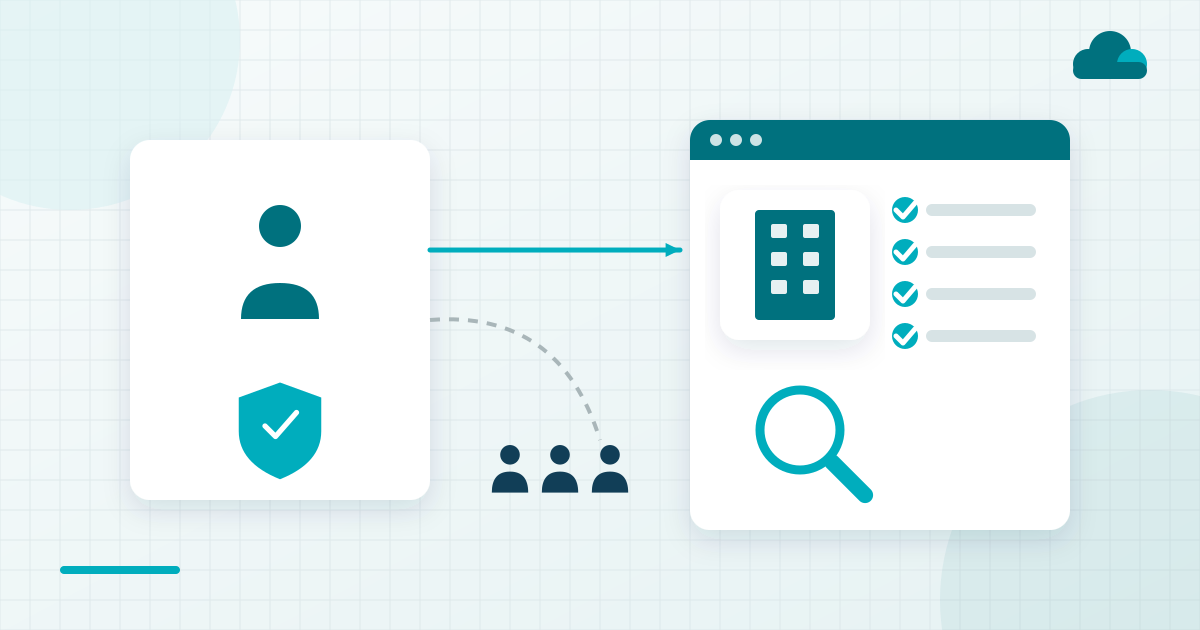
- The advisor needs a view of each client's position after funding, so the sponsor provisions advisor access inside its investor platform.
- On SponsorCloud the RIA portal is the co-sponsor module, and a sponsor can provision one to any advisor it works with at no cost. The advisor never buys it.
- Retirement-account capital moves through the custodian of a self-directed individual retirement account (IRA), often called an SDIRA, and the custodian holds the investment for the account.
An RIA portal for real estate sponsors gives a registered investment adviser a scoped view of its clients' positions and reports in the sponsor's investor platform. An RIA is a registered investment adviser, a firm paid to give investment advice that owes its clients a fiduciary duty, so it reviews a private deal before allocating any client capital to it.
An RIA portal is advisor access to a sponsor's investor platform, provisioned by the sponsor. On SponsorCloud a sponsor can provision one to any advisor at no cost, and advisors usually review the offering documents and the sponsor's reporting before they allocate client capital.
How Sponsors Work with RIAs
A sponsor reaches an RIA, and the advisor reviews the deal against its clients' portfolios. If the deal fits a client, that client invests as a limited partner (LP), sometimes through a retirement account.
The advisor owes its clients a fiduciary duty, and an RIA is registered with the Securities and Exchange Commission or a state securities regulator. Diligence comes before any allocation for that reason, and the sponsor's part is to make the review easy to complete.
The sponsor decides which advisors get access to its investor platform and which clients each advisor can see. An advisor working with several sponsors receives separate access from each one.
Advisor relationships add a source of capital to a raise. Opening the channel often comes alongside other changes to how a sponsor raises, such as taking retirement-account capital for the first time. The channel also changes who reads the sponsor's reporting, since an advisor reviews each client's private positions alongside the rest of the portfolio.
What Advisors Check First Before Allocating to a Private Deal
Advisors weigh a private deal for a client the way an LP would, with a fiduciary's paper trail behind each decision. A sponsor who reads its own materials from the allocator's side will see most of the questions coming. The six areas below cover the questions advisors commonly raise.
The Offering Documents and Terms
Advisors start with the private placement memorandum (PPM), the operating agreement, the subscription documents and the summary of terms. Liquidity and transfer restrictions get close attention, because an interest in a private real estate deal is usually hard to sell before the deal ends.
Advisors also check whether each client meets the offering's investor eligibility requirements, such as accredited investor status where the offering requires it.
The Sponsor's Team and Operating History
The advisor wants to know who runs the asset day to day and who answers when a deal falls behind its business plan. Advisors also look at how the sponsor reported prior deals to its investors, including deals that missed their plan.
A clear answer on who handles investor reporting and who approves distributions tells the advisor how the back office runs.
Reporting and What Clients Will Receive
Statement cadence, distribution notices, Schedule K-1 (K-1) delivery and who answers client questions all go into the review. Advisors judge a sponsor by what reaches their clients, so a sample statement and a sample distribution notice belong in the diligence package.
Advisors also ask how K-1s reach clients who hold through a retirement account, since those forms may route to the custodian. A sponsor that answers this before the first call saves a follow-up during K-1 season.
Custody for Retirement Accounts
Client capital from an SDIRA moves through a custodian that holds the investment for the account. The custodian processes the paperwork, and custodians generally do not evaluate the investments they hold, so the diligence stays with the advisor. SponsorCloud's guide to how an SDIRA works for real estate syndication covers the structure in more depth.
Distributions on an SDIRA investment are paid to the custodial account for the benefit of the IRA. Advisors check that the sponsor's distribution process can handle that routing before a client commits.
Fees and How the Sponsor Is Paid
Advisors read the fee and promote structure closely, since both reduce what the client keeps. They ask which fees the sponsor earns regardless of results and when the promote starts to pay. A plain summary of fees and the distribution waterfall in the diligence package saves the advisor rebuilding it from the operating agreement.
Ongoing Access to Client Positions
After funding, the advisor needs a view of each client's position and documents without asking the sponsor's team every quarter. Advisors bring private positions into client reviews, so access arranged before the first close removes a recurring request. Advisors also expect documents such as K-1s and distribution notices to sit in the same place as the position they relate to.
How to Work with RIAs as a Real Estate Sponsor
The six steps below prepare a sponsor for its first advisor conversation and the reporting that follows. Each step is general practice, and the legal side belongs with the sponsor's securities counsel.
Prepare an Advisor Diligence Package
Put the offering documents, the summary of terms, a reporting sample and a profile of the team behind the deal in the data room. An advisor who finds everything in one place can finish the review sooner. Keep the package current as terms change during the raise, so every advisor reviews the same version.
Agree How Client Commitments Are Submitted
Decide whether the client or the advisor starts the subscription and who signs each document. The answer depends on the advisor's authority over the client's account, so confirm it with counsel before the first commitment arrives.
Write the agreed process down and share it with the advisor's operations team before the raise opens, along with the subscription documents the client will sign.
Provision Advisor Access in the Investor Platform
Provision the advisor's account in the investor platform before the first client commits. On SponsorCloud this is the RIA portal, which is the co-sponsor module, and a sponsor can provision it to any advisor at no cost. Clients keep their own access through the SponsorCloud investor portal.
Invite the advisor once the sponsor has confirmed which clients the advisor represents, so each account opens with the right scope.
Route Retirement-Account Capital Through the Custodian
Send SDIRA subscriptions and distributions through the client's custodian, which holds the investment for the account. SponsorCloud has a relationship with Equity Trust for SDIRA workflows, and the post on automated alternative investment offerings in IRAs describes it.
SponsorCloud's SDIRA capital raising toolkit covers the sponsor's side of raising retirement capital. Each custodian sets its own paperwork requirements, so confirm them with the client's custodian before subscription documents go out.
Report to Advisors on the Same Cadence as Investors
Give the advisor the same statements and notices the client receives, drawn from the same investor record. Reporting to advisors on a separate schedule gives the sponsor's team a second set of documents to reconcile. Advisors who receive statements on the client's schedule can include them in quarterly reviews without a separate request to the sponsor.
Keep Each Advisor's View Scoped to Its Clients
Scope each advisor's view to its own clients, with nothing visible about other investors in the deal. The same data separation that keeps co-general partner (co-GP) investor books apart applies to advisor accounts. Check the scope whenever a client moves to a new advisor or ends an advisory relationship, and update the advisor accounts promptly.
What an RIA Portal Is and Who Provisions It
An RIA portal is advisor access to a sponsor's investor platform, provisioned by the sponsor and used by the advisor. The advisor never shops for it or pays for it, because the sponsor decides which advisors get an account.
On SponsorCloud the RIA portal is the co-sponsor module under another name, positioned this way because RIAs adopted it. A SponsorCloud sponsor can provision an RIA portal or co-sponsor account to anyone it works with at no cost.
The platform supports several parties around one investment while keeping appropriate data separation and visibility between them. Sponsors confirm with SponsorCloud what each advisor account shows before inviting advisors into a raise.
Other investor platforms state some form of advisor access on their own sites. A sponsor comparing them can ask how advisor access connects to the investor record and the reporting clients already receive.
Advisor access also changes the support load on the sponsor's investor relations (IR) team. Questions an advisor would otherwise send each quarter are answered from the account itself.
How to Decide Whether the Advisor Channel Fits Your Next Raise
A sponsor ready for advisors has the diligence package, the custody route, advisor access and the reporting in place before the first advisor call. Each of those is visible to the advisor during review, so a missing piece shows up early. Start with whichever piece is furthest from ready, since the advisor's review will reach it.
Sponsors already running co-GP deals on SponsorCloud have the data separation in place, and advisor accounts use the same module. This page is educational and is not investment or legal advice, and advisors make allocation decisions for their own clients. To set up advisor access and SDIRA workflows for your next raise, schedule a consultation with SponsorCloud.
An advisor who found the first review straightforward has a reason to consider the sponsor's next deal, which makes the first advisor raise the one to prepare most carefully.
FAQs
What Is an RIA Portal?
An RIA portal is advisor access to a sponsor's investor platform, letting a registered investment adviser follow its clients' positions and reports in that sponsor's deals after allocation. The sponsor provisions the access and decides which advisors receive it, with each advisor's view scoped to its own clients. Advisors use it to follow positions without asking the sponsor's team for each statement.
Who Pays for an RIA Portal?
The sponsor provisions an RIA portal and invites the advisor into it. On SponsorCloud the RIA portal is the co-sponsor module, and a sponsor can provision one to any advisor it works with at no cost. Ask any platform whether advisor access carries a separate charge before you invite advisors into a raise.
What Do RIAs Need Before Allocating to a Real Estate Deal?
RIAs usually start with the offering documents and terms, then look at the sponsor's team and operating history, the reporting clients will receive, custody for retirement accounts and the fees the sponsor earns. Having these in a data room before the first call shortens the review. Each advisor decides for its own clients.
Can Advisors See Their Clients' Investments in a Sponsor's Deal?
Yes, when the sponsor provisions advisor access in its investor platform. The advisor then follows its clients' positions and reports in that sponsor's deals, with access scoped to those clients. Advisors without access depend on the sponsor's team or the client to forward statements, which slows quarterly reviews and K-1 season.
Can RIA Clients Invest Through a Self-Directed IRA?
Clients can hold private real estate in a self-directed IRA through a custodian that permits alternative assets. The custodian holds the investment and subscription documents and distributions route to the custodial account, while diligence stays with the advisor because custodians generally do not evaluate the investments they hold. This answer is educational and is not tax or investment advice.
Is an RIA Portal the Same as a Co-Sponsor Account?
On SponsorCloud, yes. The RIA portal is the co-sponsor module under another name, positioned that way because RIAs adopted it, and a sponsor can provision the same account to a co-GP or to an advisor at no cost. The same module carries the platform's appropriate data separation and visibility between the parties on one investment.

Jacob Blackett
CEO and Co-Founder, SponsorCloud
Jacob Blackett is the CEO and co-founder of SponsorCloud. He raised capital and ran commercial real estate as a sponsor before he built software for other sponsors, and he still manages funds today. He built the platform that became SponsorCloud to solve problems in his own raises, tested it against real capital and real deadlines across his own portfolio, and then opened it to other GPs.
Related Signals