
Which Investor Tasks to Automate Before You Hire Another Person
 Jacob BlackettLast Updated: Nov 20, 2026
TL;DR
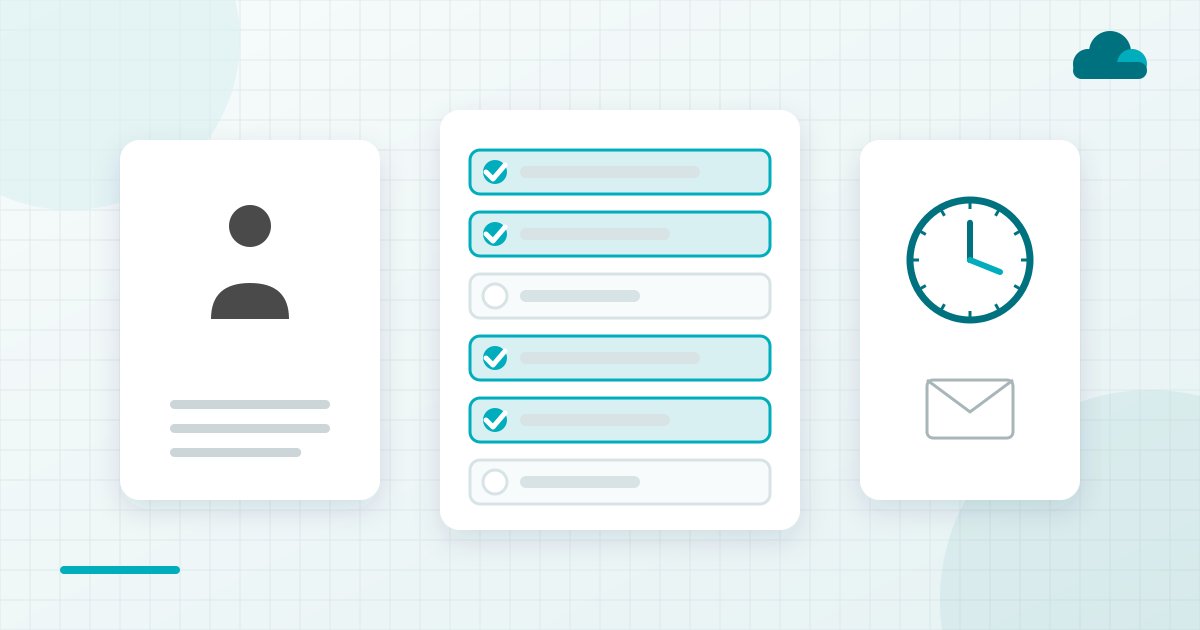
- Investor tasks after a raise closes repeat on a schedule or a trigger, which makes many of them candidates for automation before a sponsor adds another person.
- Sponsors usually start with messages tied to an event in the investor record, such as a distribution paid or a Schedule K-1 posted to the portal.
- Reminders for missing documents and unfinished onboarding follow up on something the investor has not done yet, so they run on the investor's status in the record.
- A person should handle hard-quarter updates and exceptions such as changed bank details.
- Automation multiplies whatever the operation already does, so the investor record comes first and the automated sends come second.
- SponsorCloud's investor platform runs distributions and K-1 workflows on the same record as its automated follow-up and campaign workflows.
Automated investor notices for distributions and K-1s are among the investor tasks sponsors usually automate first, going out from the investor record when the event happens. Each notice tells an investor that a distribution was paid or a K-1 is ready in the portal.
The notices work when they read from the same ownership record as the payment and the K-1, and a person still answers the questions that follow.
Investor tasks are the repeatable pieces of work a sponsor's team does for investors after a raise closes, such as answering document requests and sending distribution notices. Automating them means each message goes out from the investor record when a trigger fires, and the team handles only the exceptions.
Why Investor Operations Add Headcount After the Raise Closes
Investor operations add headcount after the raise closes because the work repeats and grows with every deal. For a general partner (GP) with a growing base of limited partners (LPs), each new investor brings documents to collect, distributions to notify, K-1s to deliver and questions to answer. Growth then means adding people to do repetitive work.
A sponsor with several deals and a growing investor list can find the investor relations (IR) team spending much of its week on messages that look the same every quarter. Those messages are the first place to look for work a trigger could carry.
Follow-up also tends to rest on one person remembering the next step. When that person is on leave or busy with a raise, the reminders stop, and investors notice the gap before the sponsor does.
The aim is more output from the same team, with administrative labor growing more slowly than the investor base. IR work after a raise closes is the scope here, and automating the raise itself sits outside it.
Which Investor Relations Tasks Sponsors Automate First
Sponsors usually start with the investor relations tasks that have a clear trigger in the investor record. Each task below covers the trigger and what the automated message does, then what the record has to hold for it to work and where a person takes over.
Document Requests
A missing document on the investor record triggers a request, and a reminder follows until the document arrives. The message names the document and links to where the investor uploads it.
The record has to show which documents each investor still owes, deal by deal. A person reviews what comes back and confirms it is the right document before the request closes.
Requests sent by hand tend to stop after the first reminder, because the person sending them moves on to the next deal. A trigger keeps asking until the record shows the document.
Onboarding Nudges
A committed investor who has not finished onboarding gets a reminder of the next step, such as a profile detail still outstanding. The nudge names the one step left and stops once it is done.
The record has to track each investor's onboarding status step by step. When an investor stalls after repeated reminders, a person picks up the phone.
Onboarding that stalls after commitment shows up later as a missing tax form at distribution time. A nudge at the right step closes the gap while the investor is still paying attention.
Distribution Notices
When a distribution is paid, each investor receives a notice with their own amount, drawn from the ownership record. The notice links to the portal, where the statement sits.
The record has to hold current ownership and allocation for every investor in the deal. A question about the amount goes to a person, who answers from the same record the notice came from.
Sending notices by hand means copying amounts from a spreadsheet into one email per investor. Every copy is a chance for a wrong figure, and a wrong amount sends the investor straight to the IR inbox.
Quarterly Update Sends
A person writes the quarterly update, and the send runs on schedule to the right investor segments. Investors who have not opened it receive a follow-up reminder.
The record has to carry segments that match the deals each investor holds. Automation handles the delivery, and the content stays with the person who knows the assets.
Sending the update to the wrong segment is the usual mistake when lists live outside the record. An investor who receives an update for a deal they never held starts to wonder what else is wrong.
K-1 Availability Notices
When a K-1 is posted to the portal, the investor is told it is ready and where to find it. A corrected K-1 gets its own notice, so the investor knows which version is current.
The record has to link each K-1 to the right investor and entity. Questions about what the K-1 shows go to the sponsor's certified public accountant (CPA), and nothing here is tax advice.
Investors left to check on their own fill the inbox with questions about whether their K-1 is ready. A notice at posting answers that question for every investor at once.
Portal Login Reminders
Investors who have never logged in, or have not logged in ahead of a distribution or K-1 season, receive a reminder with a link to the portal. Investors remember whether documents were easy to find, and an investor who can log in finds them without emailing the team.
The record has to show the last login for each investor. A person follows up with investors who still cannot get in and helps with access directly.
Re-Engaging Past LPs
Investors from closed or exited deals receive periodic updates through nurturing and segmentation, so the relationship stays current between raises. The updates cover the sponsor's activity in general terms, with no offer attached.
Past investors who hear nothing between raises are harder to reach when the next deal opens. A steady update keeps the sponsor's name familiar without asking for anything.
The record has to keep past investors and their history in the same place as current ones. The work stops at the relationship, and the first conversation about a new deal belongs to a person.
Which Investor Communications Sponsors Should Keep Personal
However much routine work runs on triggers, some messages still need a person behind them.
- Hard-quarter updates and any news about a property that changes the plan.
- Questions about an allocation or a specific distribution, answered from the same record the notice came from.
- Changed bank details, confirmed with the investor directly.
- Corrected K-1s, explained in a short personal note alongside the automated notice.
- An investor who has gone quiet.
- The first conversation about a new deal with a past LP.
Reporting that holds up through a hard cycle is what keeps investors across the next one. A hard-quarter update from a person who knows the asset gives investors someone to call with the follow-up question.
Automated Investor Notices for Distributions and K-1s
Automated investor notices for distributions and K-1s need a few things in place, whichever platform sends them.
- The notice reads from the same ownership record as the payment or the K-1.
- The notice links to the investor portal and keeps sensitive documents out of email attachments.
- Each investor sees only their own amount.
- The team sees who has opened what.
SponsorCloud is an investor platform, customer relationship management (CRM) and growth system for commercial real estate (CRE) sponsors. Its investor platform runs distributions, K-1 workflows, investor reporting and document workflows on the same record as its Growth Suite automated follow-up and campaign workflows. Tax documents are delivered through the platform as part of its tax and K-1 service.
Automated follow-up and campaign workflows are described on the SponsorCloud investor communication software page, and distribution workflows under investment distribution software for sponsors. Investors sign in to the SponsorCloud investor portal to find their documents.
How Sponsors Scale Investor Operations Without Adding Staff
Sponsors scale investor operations without adding staff by keeping the record clean first and automating the triggered messages second. Spreadsheets stay workable until volume turns version control into the job, and each new deal or fund adds to that load.
With the record in order, the triggered messages move to automation and exceptions go to a named person on the team. The team's time then goes to the conversations that need judgment.
Automation also changes what the next hire does. A new person joining a team with clean records and triggered sends spends their time with investors, and the hire itself can wait until those conversations outgrow the team.
Some sponsors also hand recurring administrative work to a service. At SponsorCloud, in-house accountants take on fund accounting, waterfall setup, quarterly statements and cash flow management for sponsors who want that work handled as a service.
How to Decide What to Automate Before the Next Hire
Decide what to automate by listing the tasks the team repeats each week and marking which have a clear trigger in the investor record. Automate those before writing the next job description.
Software repeats whatever the operation already does at greater volume, so the investor record gets fixed first and the automated sends come second. The sequence matters, and the record work can start now, since it sets up every automated send that follows.
To see distributions and K-1 workflows running on the same investor record as automated follow-up, schedule a consultation with SponsorCloud.
FAQs
Which Investor Relations Tasks Do Sponsors Automate First?
Sponsors usually start with messages tied to an event in the investor record. Distribution notices, K-1 availability notices, quarterly update sends and reminders for missing documents or portal logins all fit that pattern. Each one has a clear trigger and the same content for every investor apart from their own figures, which makes it a good first candidate.
What Should Stay with a Person in Investor Relations?
Hard-quarter updates and news that changes a property's plan stay with a person who knows the investors. So do questions about a specific allocation and exceptions such as changed bank details. The first conversation about a new deal with a past investor also stays personal, even when the update that preceded it was automated.
How Do Automated Distribution Notices Work?
When a distribution is paid, the platform sends each investor a notice drawn from the ownership record, with their own amount and a link to the investor portal. The notice is only as accurate as the record behind it, so sponsors check ownership and allocation before the first automated run and route investor questions to a named person.
Can K-1 Notices Be Automated?
Yes, when a K-1 is posted to the investor portal, an automated notice can tell the investor it is ready and where to find it. A corrected K-1 gets its own notice so the investor knows which version is current. Questions about what the K-1 shows go to the sponsor's CPA, and this answer is not tax advice.
How Do Sponsors Scale Investor Operations Without Adding Staff?
They keep one investor record that every message reads from, then automate the messages that run on a trigger, with exceptions going to a named person on the team. Some sponsors also hand recurring administrative work such as quarterly statements to a service. The order matters, because automation built on scattered records sends errors faster.
Should a Sponsor Automate Before or After Cleaning Up Investor Records?
After, because automation repeats whatever the record says, so a wrong address or an outdated allocation reaches every investor it touches. Sponsors fix the investor record first, then automate the sends that read from it. That sequence is a reason to start the record work now, since it sets up the automation that follows.

Jacob Blackett
CEO and Co-Founder, SponsorCloud
Jacob Blackett is the CEO and co-founder of SponsorCloud. He raised capital and ran commercial real estate as a sponsor before he built software for other sponsors, and he still manages funds today. He built the platform that became SponsorCloud to solve problems in his own raises, tested it against real capital and real deadlines across his own portfolio, and then opened it to other GPs.
Related Signals
How to Handle an LP Who Wants to Sell or Transfer Their Interest
Jacob BlackettThu, Nov 19, 2026
What Every LP Capital Account Statement Should Show, Line by Line
Jacob BlackettThu, Nov 19, 2026
How to Give LPs One View Across Every Deal They Have With You
Jacob BlackettWed, Nov 18, 2026