
The Investor Update Emails Every Real Estate Sponsor Should Have Ready
 Jacob BlackettLast Updated: Nov 20, 2026
TL;DR
- Investor update emails are the routine messages a sponsor sends limited partners (LPs) at fixed points in a deal, and most of them can be drafted before the deal closes.
- Six emails cover the routine life of a deal. They are the welcome, the capital call notice, the distribution notice, the quarterly update, the refinance or sale announcement and the final distribution email.
- Each email should name the deal, state what happened, say what the investor needs to do and point to the document in the investor portal.
- Bad-news updates follow a different process with their own timing and tone, so they sit outside this set.
- Keeping the set ready means agreed drafts with a named owner, plus merge fields that read from the investor record.
- Investors remember whether updates arrived when expected and whether someone answered, and a consistent set of updates is part of what they weigh before the next raise.
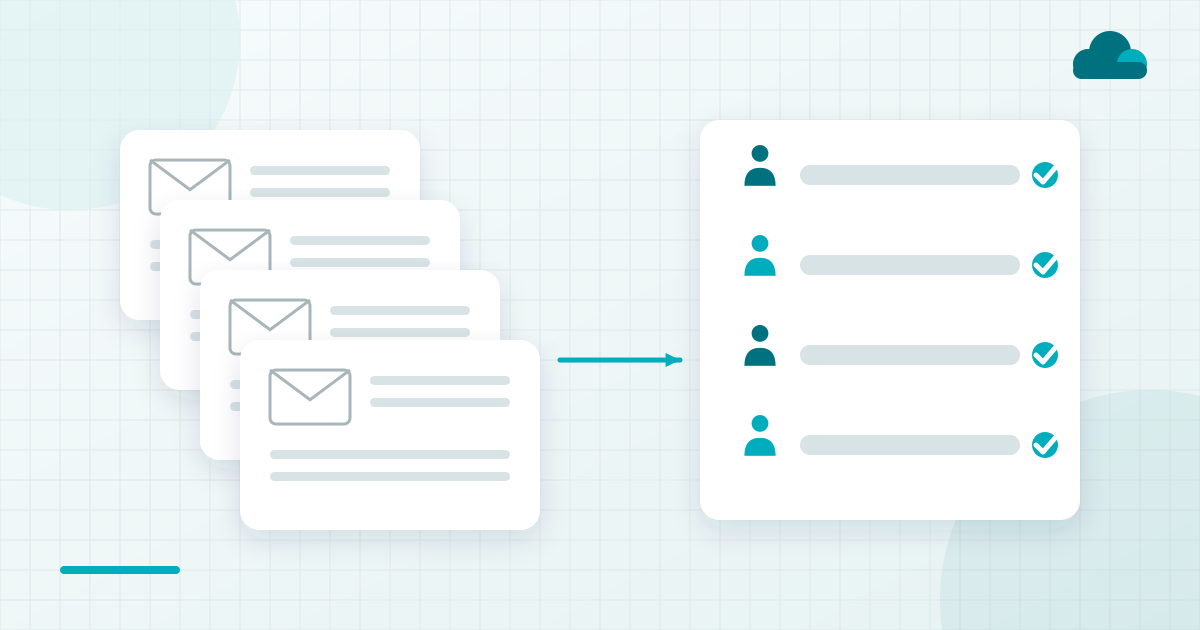
A real estate sponsor should keep six investor update emails ready, covering the welcome, the capital call, each distribution, the quarterly update, a refinance or sale and the final distribution. Each one names the deal, says what happened, tells the investor what to do next and points to the document in the investor portal.
Investor update emails are the routine messages a real estate sponsor sends its limited partners (LPs) at each fixed point in a deal, from the welcome after an investment closes to the final distribution when the deal ends. A sponsor that has them ready sends each one from an agreed draft when the moment comes.
What Investor Update Emails Are and Why Sponsors Keep Them Ready
Investor update emails carry the planned events of a deal to the LPs who funded it. Most of those events are known before closing, so the wording can be agreed early and reused from one deal to the next.
Investors experience the cumulative quality of every interaction with a sponsor. Whether an update arrived when expected, and whether it looked like the last one, becomes part of how they remember the deal. A ready set gives every deal the same messages in the same shape, which matters most to LPs who hold more than one position.
LPs tend to remember how a deal was run longer than what the projection said. From the LP's side of the inbox, routine emails are much of what running a deal looks like.
The set on this page covers routine, planned messages. Updates about a deal running behind plan follow their own process and timing, so they are left out of the templates here.
The Six Investor Update Emails to Have Ready
Each of the six investor update emails below gets a short note on when it goes out and what it must say, followed by a sample. Every figure and name in a sample is a bracketed merge field such as [deal name] or [payment date], filled from the investor record.
The Welcome Email After an Investment Closes
The welcome email goes out once the investor's funds are received and the investment is recorded. It confirms the deal and the investing entity on record. It also explains how to log in to the investor portal and names one person to contact.
Subject: Welcome to [deal name]
Hello [investor first name], your investment in [deal name] through [investing entity] is now recorded. You can log in to the investor portal at [portal link] to see your documents. [Contact name] is your contact for this deal at [contact email].
Write the welcome email for a new investment. Moving existing investors to a new portal calls for a different message with its own instructions.
The Capital Call Notice
The capital call notice tells an investor that capital is being called and how much is theirs to fund. The amount and due date come from merge fields, and the payment instructions sit in the portal with the email pointing to them.
Subject: [Deal name] capital call, due [due date]
Hello [investor first name], [deal name] is calling capital, and the amount for [investing entity] is [call amount], due by [due date]. Payment instructions are in the investor portal at [portal link], and [contact name] can confirm them by phone before you send funds.
Wire instructions should be confirmed through a secure channel the investor already knows. Running the call itself is a separate process, and the notice only needs to report it clearly.
The Distribution Notice
The distribution notice tells the investor that a distribution has been sent or is scheduled. The amount and date come from merge fields, and the email names the period the payment covers. The statement itself sits in the portal.
Subject: [Deal name] distribution for [period]
Hello [investor first name], a distribution of [distribution amount] for [investing entity] was sent on [payment date] for [period]. Your statement is in the investor portal at [portal link].
Distributions arriving when expected are among the things investors remember most about a sponsor, so the notice should land when investors have learned to look for it. Notices read cleanest when they draw on the same records that calculated the payment, which is the work of investment distribution software for sponsors.
The Quarterly Update
The quarterly update email announces that the quarterly report is ready and sums up the quarter in a few plain sentences. The full report sits in the portal, so the email stays short enough to read on a phone.
Subject: [Deal name] update for [quarter]
Hello [investor first name], the [quarter] report for [deal name] is now in the investor portal at [portal link]. [A short, plain summary of the quarter at the property and what comes next.] Questions go to [contact name] at [contact email].
Use the same format in every quarter. A weaker quarter that arrives in a different shape draws attention to the format before the reader reaches the report.
The Refinance or Sale Announcement
The refinance or sale announcement explains what is happening to the property and what it means for the investor's position. It also says what happens to distributions and when the next update will come.
Subject: [Deal name] [refinance or sale] update
Hello [investor first name], [deal name] has [agreed a sale or closed a refinance] as of [event date]. [A plain explanation of what this means for your position and for distributions.] Your next update will arrive by [next update date].
Any action the investor must take, such as a consent or a document to sign, goes in one line with a link. Whether consent is required at all is set by the operating agreement and confirmed with counsel.
The Final Distribution Email
The final distribution email closes the deal for the investor. It confirms the final payment as a merge field and says when the final Schedule K-1 will follow. Closing documents go to the portal, where the investor already finds everything else for the deal.
Subject: [Deal name] final distribution
Hello [investor first name], the final distribution of [final amount] for [investing entity] was sent on [payment date], and [deal name] is now closed. Your final K-1 will be posted to the investor portal by [K-1 date]. Thank you for investing with [sponsor name], and new opportunities will reach you through [channel].
End with a thank-you and a line on how the sponsor will share future deals. Frame that line as an invitation, with no projected return attached to it.
What Every Investor Update Email Should Have in Common
Every investor update email in the set shares a few traits, whatever event it reports. The traits below matter most.
- A subject line that names the deal and the event, so an investor in several deals can tell them apart in the inbox.
- One sender and one named contact per deal.
- One action per email, stated plainly, where the investor needs to act.
- A link to the document in the investor portal, so every investor reads the same current version.
- The same structure in a good quarter and a hard one.
The portal link does the most work of the five. An attachment gets forwarded and saved, and a corrected version may never reach the investor who saved the first one.
How to Keep the Email Set Ready Before You Need It
Keeping investor update emails ready depends on agreeing them early and naming who owns them. The habits below keep the set current from one deal to the next.
- Agree all six drafts before the deal closes, and store them where the team sends from.
- Name an owner for each email, and decide in advance who approves the refinance or sale announcement and the final distribution email.
- Build merge fields from the investor record, so names and amounts come from one source and are never retyped.
- Segment by deal, so each email reaches only the investors in that deal.
- Review the set after each deal and fix whatever investors asked about most.
Investor details spread across spreadsheets and inboxes make every manual email a fresh chance to send the wrong amount to the wrong entity. Manual work of that kind grows with each deal, because every new deal adds more names to retype.
Where Investor Communication Software Fits
Investor communication software sends updates to segmented lists of investors and keeps a record of what each investor received. In an investor platform, the email draws on the record behind the portal.
SponsorCloud is an investor platform, customer relationship management (CRM) and growth system for commercial real estate (CRE) sponsors. Its Growth Suite includes investor and prospect CRM, campaign workflows, automated follow-up and segmentation. The documents each email points to sit in its branded investor portal and data room, and the platform page for SponsorCloud's investor communication software sets out its approach.
The case for one system rests on connection. SponsorCloud is built around the intersection of investor platform, CRM, fund operations, capital raising and growth. When an update and the document it points to read from one investor record, an investor who logs in to the SponsorCloud investor portal after reading the email finds the same deal and the same figures.
How to Plan Your Investor Email Set Before the Next Deal Closes
Start with the email that caused the most investor questions on the last deal, and draft it first. Agree its wording and owner, then work through the other five before the next closing.
Bad-news updates need a plan of their own, sent on their own timing and approved apart from the routine set. To see how the routine set could run from one investor record, schedule a consultation with SponsorCloud.
FAQs
What Should an Investor Update Email Include?
An investor update email should name the deal in the subject line and state what happened in the first sentence. It should also say whether the investor needs to do anything and point to the full document in the investor portal, with the name of the person to contact. Amounts and dates come from merge fields tied to the investor record so nothing is retyped.
Which Investor Emails Should a Sponsor Draft Before a Deal Closes?
A sponsor can draft six routine emails before closing. They are the welcome, the capital call notice, the distribution notice, the quarterly update, the refinance or sale announcement and the final distribution email. Each event is predictable, so agreeing the wording early means the email goes out on time with the same structure every investor has seen before.
How Long Should a Quarterly Investor Update Email Be?
A quarterly update email works when it is short enough to read on a phone and points to the full report in the investor portal. A few plain sentences on what happened in the quarter and what comes next are enough. The detail belongs in the report, so every investor reads the same version and the email stays consistent from quarter to quarter.
Should Investor Updates Be Sent as Attachments or Through a Portal?
Sending a link to the document in the investor portal keeps one current version for every investor and one record of who received it. Attachments get forwarded and saved in inboxes, and some investors never see the corrected version. A portal link also lets an investor in several deals find past updates in one place.
How Is a Bad-News Update Different from a Routine Investor Email?
A bad-news update explains a change from the plan and what the sponsor is doing about it, then commits to a schedule of follow-up messages. It needs its own timing and approval, so sponsors usually plan it apart from the routine emails, which report planned events in a familiar format.
What Is Investor Communication Software?
Investor communication software sends updates to segmented lists of investors and keeps a record of each message against the investor record. Inside an investor platform it can read names, entities, amounts and dates from the same records the portal shows, so an email and the document it points to match.

Jacob Blackett
CEO and Co-Founder, SponsorCloud
Jacob Blackett is the CEO and co-founder of SponsorCloud. He raised capital and ran commercial real estate as a sponsor before he built software for other sponsors, and he still manages funds today. He built the platform that became SponsorCloud to solve problems in his own raises, tested it against real capital and real deadlines across his own portfolio, and then opened it to other GPs.
Related Signals
How to Handle an LP Who Wants to Sell or Transfer Their Interest
Jacob BlackettThu, Nov 19, 2026
What Every LP Capital Account Statement Should Show, Line by Line
Jacob BlackettThu, Nov 19, 2026
How to Give LPs One View Across Every Deal They Have With You
Jacob BlackettWed, Nov 18, 2026