
8 Steps to Run a Real Estate Fund Capital Call Without Spreadsheets
 Jacob BlackettLast Updated: Nov 12, 2026
TL;DR
- A capital call is a notice from a fund's sponsor asking each investor to send part of the capital they committed, for an amount set by their share of the fund, by a stated due date.
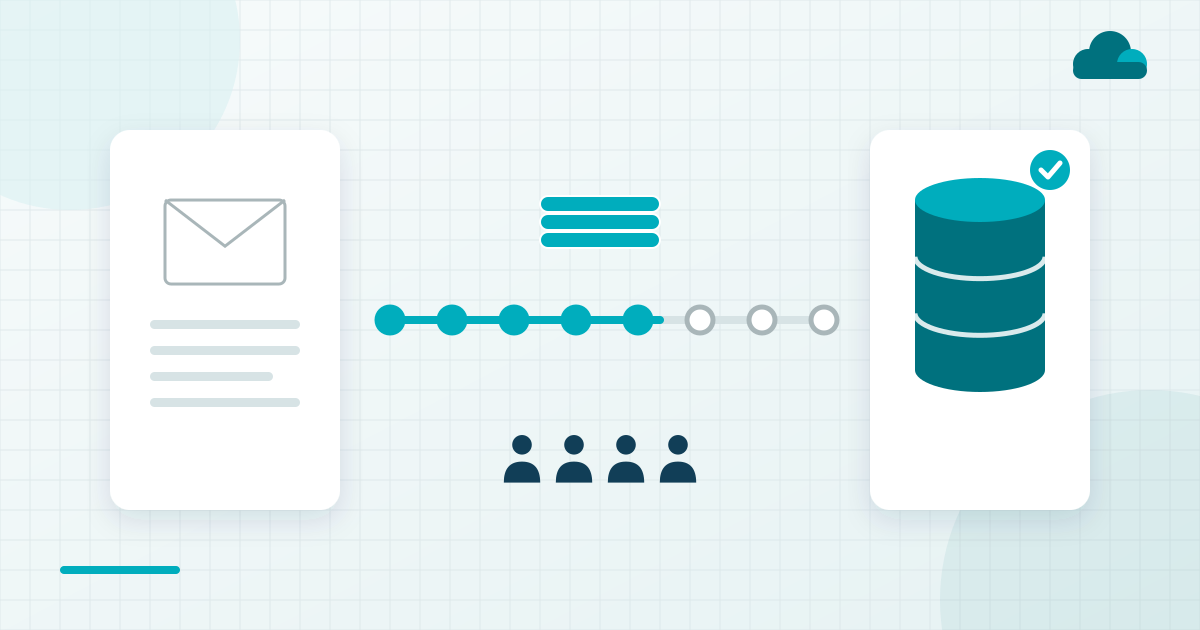
- The eight steps are the notice, investor-level amounts from the ownership record, delivery, wire tracking, late-funding follow-up, reconciliation, limited partner (LP) confirmations and the record that feeds reporting.
- Every amount in a capital call should come from the ownership record, because a spreadsheet copy of it drifts as soon as a commitment changes.
- Wire tracking and reconciliation are hard to run from a spreadsheet, since each wire has to be matched to an investor by hand.
- When choosing capital call software, ask any vendor to run a call end to end on your own fund, from notice to the record that reaches reporting.
- This page is general guidance and is not legal or tax advice. The fund's operating agreement sets the terms of every call.
Capital call software for private real estate funds should run all eight steps of a call from one ownership record. That means the notice, each investor's amount, delivery and wire tracking, then late-funding follow-up, reconciliation, LP confirmations and the record that feeds reporting. Ask any vendor to run a call end to end on your own fund.
A capital call is a notice from a fund's sponsor asking each investor to send part of the capital they committed, for an amount set by their share of the fund, by a stated due date. Running one well means every amount and every wire traces back to a single ownership record.
What Is a Capital Call in a Real Estate Fund
A capital call in a real estate fund draws down part of each investor's commitment. An investor commits an amount at subscription, and the fund calls it in parts as it needs capital. The operating agreement sets the notice period and what happens on late funding, so the general partner (GP) checks it before every call.
Each call touches every investor and every wire, and each new fund adds another set of both. Sponsors tend to feel the strain when the administrative team is already stretched and investor information sits across spreadsheets and email threads.
The eight steps below were chosen against four tests. Each handles investor money or an investor record, and each is a step a spreadsheet process can lose track of. Each can also run from one ownership record, and each has to finish before the next call goes out.
The table pairs each step with the record it draws on and the person who usually owns it.
| Step | Source of Truth | Who Usually Owns It |
|---|---|---|
| Draft the notice | Operating agreement | Controller |
| Calculate each investor's amount | Ownership record | Fund accountant |
| Deliver the notice | Investor portal | Investor relations lead |
| Track wires | Bank activity and ownership record | Controller |
| Follow up on late funding | Funding status by investor | Investor relations lead |
| Reconcile to commitments | Ownership record | Fund accountant |
| Confirm receipt to each LP | Matched wire | Investor relations lead |
| Record the call for reporting | Capital accounts | Controller |
Eight Steps to Run a Capital Call Without Spreadsheets
Each capital call step below says when it matters and which record it draws on. A short list of tasks follows, then a paragraph on what breaks when the step runs from a spreadsheet.
Draft the Capital Call Notice
The notice is the first part of a call investors see, and the controller usually drafts it. It states the amount each investor owes and the due date, with the reason for the call and the wire instructions.
How to Do It. Build the notice once per fund and reuse it.
- Check what the operating agreement says the notice must contain.
- Build one template per fund for every call.
- Have a second person review each notice before it goes out.
Where It Goes Wrong. A notice rebuilt from scratch for each call drifts from the agreement over time. A missing item means sending a corrected notice to every investor.
Calculate Each Investor's Amount from the Ownership Record
The amount matters to every investor, since it has to match what they signed. Each investor's amount comes from their commitment and share of the fund on the ownership record.
How to Do It. Calculate from the live record before the notice is final.
- Confirm the ownership record is current.
- Calculate each amount from the commitment and fund share.
- Check that the amounts add up to the total being called.
Where It Goes Wrong. A spreadsheet copy of the ownership record drifts as soon as a commitment changes. The notice then asks an investor for an amount that no longer matches their share.
Deliver the Notice Where Investors Already Look
Delivery matters because a notice an investor misses becomes a late wire. Post the notice in the investor portal and send an alert that it is there, so it sits with the investor's other documents.
How to Do It. Plan delivery before the notice is final.
- Post each notice to the investor's own portal folder.
- Send an email alert with a link to the notice.
- Give investors a channel they already know for confirming wire instructions.
Where It Goes Wrong. An email alert on its own can sit unread until the due date passes. Wire instructions that arrive only by email are also harder for an investor to verify, which is why a known confirmation channel matters.
Track Wires Against Each Investor
Wire tracking matters to the controller from the day the notice goes out. Match each incoming wire to an investor and the amount called as it arrives.
How to Do It. Record each wire against its investor as it lands.
- Match each wire to an investor and the amount called.
- Flag partial or unidentified wires for follow-up.
- Keep one view of who has funded and who has not.
Where It Goes Wrong. Matching wires from a bank statement into a spreadsheet at the end of the period hides problems until the due date. A wire sent from an investor's entity account under a different name can sit unmatched while the investor assumes it landed.
Follow Up on Late Funding
Follow-up matters in the stretch before the due date, while there is still time to act. Send reminders to investors who have not funded and record each one.
How to Do It. Set the reminder points when the notice goes out.
- Schedule reminders at set points before the due date.
- Point investors to the late-funding terms they signed.
- Log every reminder against the investor record.
Where It Goes Wrong. Follow-up that depends on one person's memory slips when that person is busy with the next deal. The operating agreement decides what happens on late funding, and the team needs to know who is late before the due date arrives.
Reconcile Funded Amounts to Commitments
Reconciliation matters once the due date passes and the wires are in. Check the total received against the total called, then update each investor's unfunded commitment on the record.
How to Do It. Reconcile while the call is still fresh.
- Compare the total received with the total called.
- Resolve each difference with the investor or the bank.
- Update each investor's unfunded commitment.
Where It Goes Wrong. Differences left open roll into the next call. The next notice then calculates from commitments that are already wrong.
Confirm Receipt to Each LP
Confirmations matter to investors, who remember whether someone told them their money arrived. Send each LP a confirmation once their wire is matched, and file it with the notice.
How to Do It. Send confirmations as wires are matched.
- Send a confirmation once each wire is matched.
- File the confirmation with the notice on the investor record.
- Note any investor who funded a different amount from the one called.
Where It Goes Wrong. An investor with no confirmation emails to ask, and the team answers the same question across the investor list. A filed confirmation answers it before it becomes a support email.
Record the Call Where Reporting Can Use It
The record matters for every report and distribution after the call. Funded amounts update each investor's capital account, which feeds investor reporting and later distributions.
How to Do It. Close the call on the same record reporting uses.
- Post funded amounts to each investor's capital account.
- Attach the notice and confirmation to the investment record.
- Confirm the next report reads the updated balances.
Where It Goes Wrong. When the call lives in a spreadsheet, someone re-keys it into the reporting system and the two can stop agreeing. Each manual cycle widens that gap as investors and funds are added.
Why Spreadsheet Capital Calls Break as a Fund Grows
Spreadsheet capital calls break as a fund grows because growth exposes the weaknesses that were already there. A spreadsheet stays workable for a first call to a short investor list. As investors and funds are added, keeping every copy of the ownership record in step becomes the actual job.
Wires get matched by hand from bank statements, and every new fund adds another set of copies for the same team to maintain. The useful question is what happens at the next fund, when the same people run calls for two vehicles at once.
What to Look for in Capital Call Software
Capital call software should handle the eight steps from one ownership record. Look for these capabilities in any demo.
- Amounts calculated from the ownership record.
- Notices delivered to the investor portal.
- Wires matched to investors as they arrive.
- Automated reminders for late funding.
- Reconciliation against commitments.
- Confirmations filed to the investor record.
- Capital accounts updated for reporting.
Some sponsors run calls in-house on software, with a controller who owns the ownership record. Others hand the work to a fund accountant or administrator once the team is stretched, and should ask that provider which of the eight steps it runs. Either way, ask any software vendor to run one call end to end on your own fund before deciding.
SponsorCloud is an investor platform for commercial real estate sponsors. Its administration workflows cover investment records, ownership and allocation information, investor reporting and document workflows. Its Growth Suite includes an investor and prospect customer relationship management (CRM) system and investor activity tracking, and SponsorCloud also offers real estate fund administration as a service.
Sponsors can read about SponsorCloud's investment management software for fund records and its investor communication software.
How to Plan Your Next Capital Call
Planning the next capital call starts with the ownership record. Check that it is current, then walk the eight steps against the current process and mark which ones still live in a spreadsheet. Those steps are where the next call is most likely to slip.
This page is general guidance and is not legal or tax advice, and the operating agreement governs every call. To talk through where your investor records sit today, schedule a consultation with SponsorCloud.
FAQs
What Is a Capital Call in a Real Estate Fund?
A capital call is a notice from a fund's sponsor asking each investor to send part of the capital they committed. The amount comes from the investor's commitment and share of the fund, and the notice states a due date. The fund's operating agreement sets the notice period and what happens if an investor funds late.
How Do You Run a Capital Call Without Manual Spreadsheets?
Run every step from one ownership record, calculating each investor's amount from it and delivering the notice through the investor portal. Match each wire to an investor as it arrives and follow up on late funding before the due date. After reconciling the total, send each investor a confirmation and update their capital account so reporting uses the same numbers.
What Should Capital Call Software Do?
Capital call software should calculate each investor's amount from the ownership record and deliver the notice where investors keep their documents. It should match wires to investors and send reminders to anyone who has not funded, with funded amounts updating capital accounts for reporting. Ask any vendor to run a full call on your own fund during the demo.
What Happens When an Investor Funds a Capital Call Late?
The fund's operating agreement decides what happens when an investor funds late, and the terms vary from fund to fund. Operationally, the sponsor needs to know who has not funded before the due date and follow up early. This answer is general and is not legal advice, so check the agreement with the fund's counsel.
Should a Sponsor Run Capital Calls In-House or Outsource Them?
Both can work. A sponsor with a controller and software built around one ownership record can run calls in-house, and a sponsor whose team is already stretched may hand the work to a fund accountant or administrator. Either way, the wires and the investor record should agree, and the sponsor should be able to see each investor's status.
Why Do Sponsors Outgrow Spreadsheets for Capital Calls?
A spreadsheet works for a first call to a small investor list. As investors and funds are added, keeping every copy of the ownership record current becomes the job, and wires get matched by hand from bank statements. Each new fund adds another set of copies for the same team to keep in step.

Jacob Blackett
CEO and Co-Founder, SponsorCloud
Jacob Blackett is the CEO and co-founder of SponsorCloud. He raised capital and ran commercial real estate as a sponsor before he built software for other sponsors, and he still manages funds today. He built the platform that became SponsorCloud to solve problems in his own raises, tested it against real capital and real deadlines across his own portfolio, and then opened it to other GPs.
Related Signals
8 Documents to Put in Your Data Room Before a Real Estate Raise
Jacob BlackettThu, Nov 12, 2026
6 Things Sponsors Should Know About the Section 754 Election
Jacob BlackettWed, Nov 11, 2026
6 Rules for Texting Investors During a Real Estate Capital Raise
Jacob BlackettTue, Nov 10, 2026