Capital Raising CRM vs Investor Portal: What Each Does
 Jacob BlackettLast Updated: Oct 26, 2026
TL;DR
- A capital raising customer relationship management (CRM) system manages the part of a sponsor's work before an investor commits, including prospects, pipeline, follow-up and deal pages.
- An investor portal serves the investor after the commitment, with documents, distribution notices, reporting and tax forms in one branded place.
- A portal on its own leaves pipeline and follow-up to inboxes and spreadsheets, which is where sponsors lose investors between soft commitment and wire.
- Running the CRM and the portal on one investor record means the person who closed the raise and the person who sends the Schedule K-1 see the same history.
- SponsorCloud's Growth Suite covers investor and prospect CRM, lead scoring, deal pages, activity tracking, automated follow-up, SMS and iMessage.
- Sponsors raising for several deals at once feel the gap first, because interest has to be tracked per investor across every open offering.
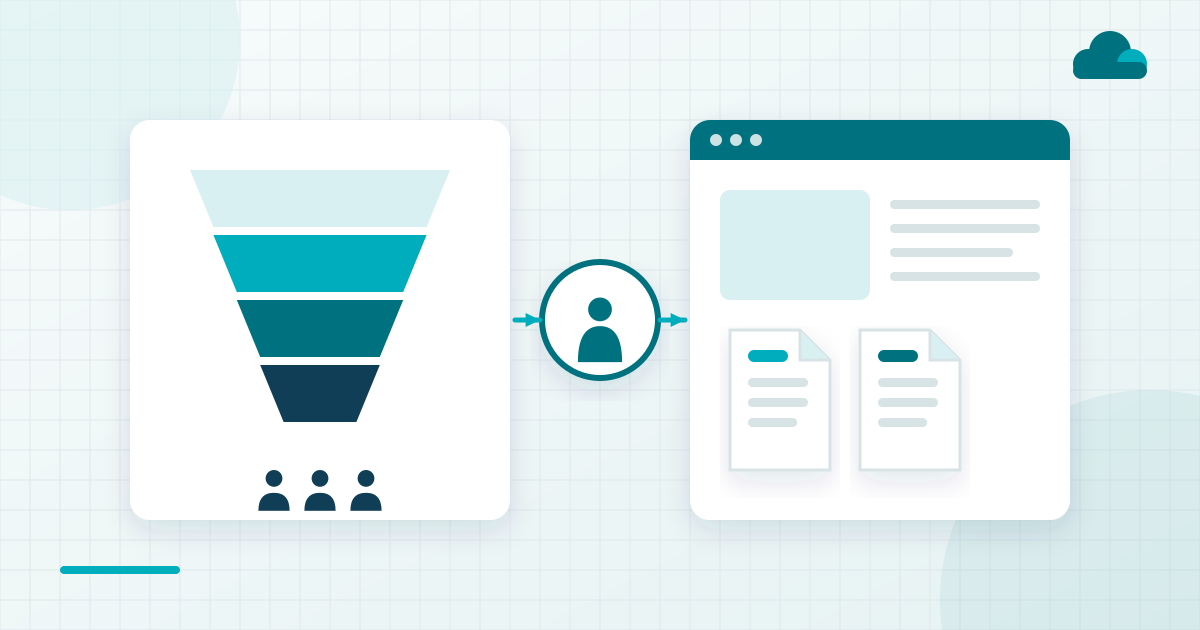
A capital raising CRM tracks each investor from first contact through soft commitment to funded subscription, which is the work before money moves. An investor portal serves investors after they commit, with documents and distribution reporting. Sponsors who raise repeatedly use both, and one shared investor record keeps the hand-off between them clean.
A capital raising CRM is the customer relationship management system a real estate sponsor uses to track prospective investors from first contact through soft commitment to funded subscription. It holds the pipeline, deal pages, investor activity and follow-up for each raise.
The comparison below is written for the general partner (GP) team at a commercial real estate (CRE) sponsor that raises from limited partners (LPs).
What a Capital Raising CRM Does for a Real Estate Sponsor
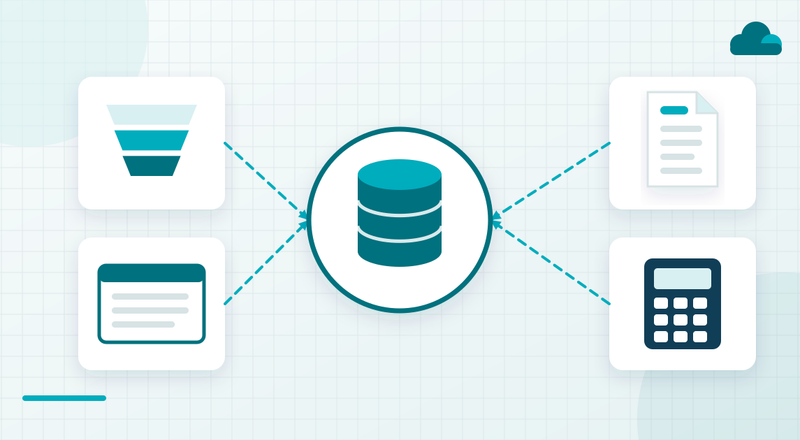
The CRM owns the work before commitment, and the portal owns the investor's view after it. A sponsor raising repeatedly needs both on one investor record. The rest of this page follows that split, from the first prospect to the latest K-1.
Prospects and Pipeline Before the Commitment
A capital raising CRM keeps one record for each investor and prospect, scored and placed in a pipeline stage for each raise. Segmentation groups investors so each offering reaches the people most likely to engage with it. The team sees the full fundraising pipeline in one place, from first contact to close.
Tracking from prospect to close means each stage has a definition the whole team uses, such as interested, soft committed, documents sent and funded. A shared definition lets the head of capital markets read the pipeline without asking each person for an update.
The investor CRM in SponsorCloud's Growth Suite covers investor and prospect CRM, lead scoring, pipeline management and segmentation. Nurturing keeps prospects who are not ready for the current deal warm for a later one.
Deal Pages and Investor Activity Tracking
A deal page presents one offering to prospective investors with the materials they need to review it. Investor activity tracking records which investors viewed the deal and what they opened, so follow-up goes to the people showing interest.
SponsorCloud's real estate fundraising software includes deal pages with investor activity tracking. The activity lands on the investor's record, where the next touch is planned.
Automated Follow-Up and Text Outreach
Automated follow-up ties emails and text messages to the investor's record and pipeline stage. A prospect who stalls after a soft commitment triggers the next touch without anyone having to remember it.
SponsorCloud's Growth Suite includes automated follow-up, campaign workflows, SMS and iMessage. Text outreach gives the team a second channel for the next touch.
Compare a Capital Raising CRM and an Investor Portal
The table below shows the typical scope of each tool across twelve jobs, and what changes when both run on one investor record.
| Job | Capital Raising CRM | Investor Portal | Both on One Record |
|---|---|---|---|
| Prospect lists | Core job | Usually outside scope | One record per investor |
| Lead scoring | Core job | Usually outside scope | Scores carry forward |
| Deal pages | Core job | Varies by provider | Views logged per investor |
| Activity tracking | Core job | Usually outside scope | History kept after commitment |
| Automated follow-up | Core job | Usually outside scope | Triggered by record stage |
| Soft commitments | Core job | Usually outside scope | Carried into subscription |
| Subscription documents | Varies by provider | Varies by provider | Linked to the commitment |
| Investor onboarding | Varies by provider | Core job | Same record continues |
| Documents and data room | Varies by provider | Core job | Same documents, both views |
| Distribution notices | Usually outside scope | Core job | Tied to investor history |
| Reporting and K-1s | Usually outside scope | Core job | Tied to investor history |
| History each team member sees | Before commitment | After commitment | Full investor history |
Scope varies by provider in both categories, so confirm in a demo where a given tool starts and stops.
What an Investor Portal Does After the Commitment
An investor portal is the branded place where investors see their investments, documents, reporting and distribution information. Investors log in after they commit, and the portal becomes their main view of the sponsor.
Investors judge a sponsor on whether distributions arrived on time and documents were easy to find. The portal is where that judgment forms, with every notice and every tax form.
A portal also takes routine requests off the team. Investors who can find a statement or a tax form themselves send fewer emails asking for one.
SponsorCloud's investor portal software is one component of its investor platform, reading from the same investor record as the Growth Suite. Portal software is sold on its own and as part of wider platforms, so ask any vendor which record its portal reads from.
Why a Portal Alone Leaves the Raise Pipeline Unmanaged
A portal improves the investor experience for people who have already committed. The pipeline and its follow-up sit outside its job.
With a portal alone, the full fundraising pipeline sits in inboxes and spreadsheets, where no one on the team sees it whole. Follow-up depends on an individual remembering what to do next, and that memory leaves with the person when roles change.
Sponsors who rely on a portal may run the raise from a spreadsheet beside it. The two lists drift apart as soon as an investor's details change in one and stay the same in the other.
Sponsors lose investors in the weeks between soft commitment and wire, when the process starts to feel improvised. A soft commitment with no scheduled next touch is where an investor starts to drift.
A capital raising CRM gives each soft commitment a stage and a scheduled next step. The team sees which commitments have gone quiet and who owns each one.
How to Track Investor Interest Across Multiple Deals
Raising for several deals at once is when the gap shows first. Interest has to be tracked per investor across every open offering, and a spreadsheet tab per deal splits each investor into several partial records. A workable method has three parts.
- Keep one record per investor, shared across every deal.
- Give each deal its own tag or pipeline stage on that record.
- Trigger follow-up from activity, such as a deal page view or a stalled soft commitment.
Lead scoring and activity tracking then work against the same record. An investor who opened one deal page can be a warm prospect for the next offering, and segmentation puts that investor on the right list. A separate list per deal hides an investor's interest in one offering from whoever runs the next.
What Changes When the CRM and Portal Share One Record
Capital raising and post-close investor management stop running as two processes with two data sets. The person who closed the raise and the person who sends the K-1 see the same history for every investor. The sponsors raising fastest run a back office that looks like it belongs to a much larger firm.
For the investor, the change shows up as consistency. The same documents and history appear whether they are reviewing a new deal or downloading last year's tax form.
A shared record also changes how the team hands work across. The person onboarding a new investor sees the deal pages that investor viewed and the follow-up that brought them to commitment.
Growth exposes the operational weaknesses a spreadsheet was already carrying. Each quarter tracked by spreadsheet compounds a small problem into a larger one as investor and deal counts rise.
The job is more output without proportional administrative headcount. Sponsors measure a shared record by whether the next raise needs more administrative staff than the last.
How to Choose Between a Capital Raising CRM, a Portal or Both
A sponsor with one stable raise and committed investors may start with the portal. A sponsor raising again, or raising for several deals, needs the CRM half as well. A sponsor that raises repeatedly and reports to a growing investor base usually needs both.
A sponsor choosing the CRM first should check that the portal it adds later can read the same record. A sponsor starting with the portal should ask the same question in reverse. In SponsorCloud, the Growth Suite and the branded investor portal run on one investor record inside SponsorCloud's investor platform.
To see how the two halves share one record for your own raises, schedule a consultation with SponsorCloud. Raising and reporting are two halves of one relationship with each investor, and keeping both on one record carries that history into every later raise.
FAQs
What Is a Capital Raising CRM?
A capital raising CRM is the system a real estate sponsor uses to track prospective investors from first contact through soft commitment to funded subscription. It holds the pipeline, deal pages, investor activity and automated follow-up for each raise. SponsorCloud's Growth Suite is a capital raising CRM built for commercial real estate sponsors and their investor relations teams.
What Does an Investor CRM Do for a Real Estate Sponsor?
An investor CRM keeps one record per investor and prospect, with every conversation and every deal the investor has viewed. It scores leads and runs follow-up across each raise's pipeline. For a real estate sponsor, the value comes when that record also connects to distributions and tax documents after the investor funds, so the history carries forward.
Do I Need a CRM If I Already Have an Investor Portal?
Usually yes, if the sponsor plans to raise again. An investor portal serves investors who have already committed, and a capital raising CRM tracks prospects and follow-up before any commitment exists. Running both on one investor record means the person who closed the raise and the person who sends the K-1 see the same history for every investor.
How Do Sponsors Automate Investor Follow-Up?
Sponsors automate investor follow-up by tying emails and text messages to the investor's record and pipeline stage in a capital raising CRM. A prospect who opens a deal page or stalls after a soft commitment triggers the next touch without anyone having to remember it. SponsorCloud's Growth Suite includes automated follow-up with SMS and iMessage.
What Is a Deal Page in Real Estate Capital Raising?
A deal page presents one offering to prospective investors, with the materials they need to review it. When it is connected to a capital raising CRM, the sponsor sees which investors viewed the deal and what they opened, so follow-up goes to the people showing interest. SponsorCloud includes deal pages with investor activity tracking.
Why Do Real Estate Sponsors Outgrow Spreadsheets for Investor Tracking?
Spreadsheets work for a first raise and strain once several deals or a fund run at the same time, when version control becomes the job and follow-up depends on memory. Each quarter of manual reporting adds risk to the next one. A capital raising CRM gives every investor one record across raises, which the whole team works from.

Jacob Blackett
CEO and Co-Founder, SponsorCloud
Jacob Blackett is the CEO and co-founder of SponsorCloud. He raised capital and ran commercial real estate as a sponsor before he built software for other sponsors, and he still manages funds today. He built the platform that became SponsorCloud to solve problems in his own raises, tested it against real capital and real deadlines across his own portfolio, and then opened it to other GPs.
Related Signals