
How to Verify Accredited Investors in a 506(c) Real Estate Raise
 Jacob BlackettLast Updated: Nov 20, 2026
TL;DR
- In a 506(c) raise every purchaser must be an accredited investor, and the sponsor must take reasonable steps to verify that status before the sale.
- The Securities and Exchange Commission (SEC) rule lists optional methods for individuals, based on income documents, net worth documents, a professional's written confirmation or an earlier verification by the same sponsor.
- A sponsor may instead apply a principles-based method, and SEC staff have said a high minimum investment with written representations can support reasonable steps.
- An investor the sponsor verified before can give a written representation at the time of a later sale, which counts as verification for five years from the earlier verification.
- Each verification belongs on the investor's record, with the method, the documents reviewed, the date and who performed it, kept with access limited to the people who need it.
- This page is educational and is not legal advice. A sponsor should confirm its verification process with securities counsel.
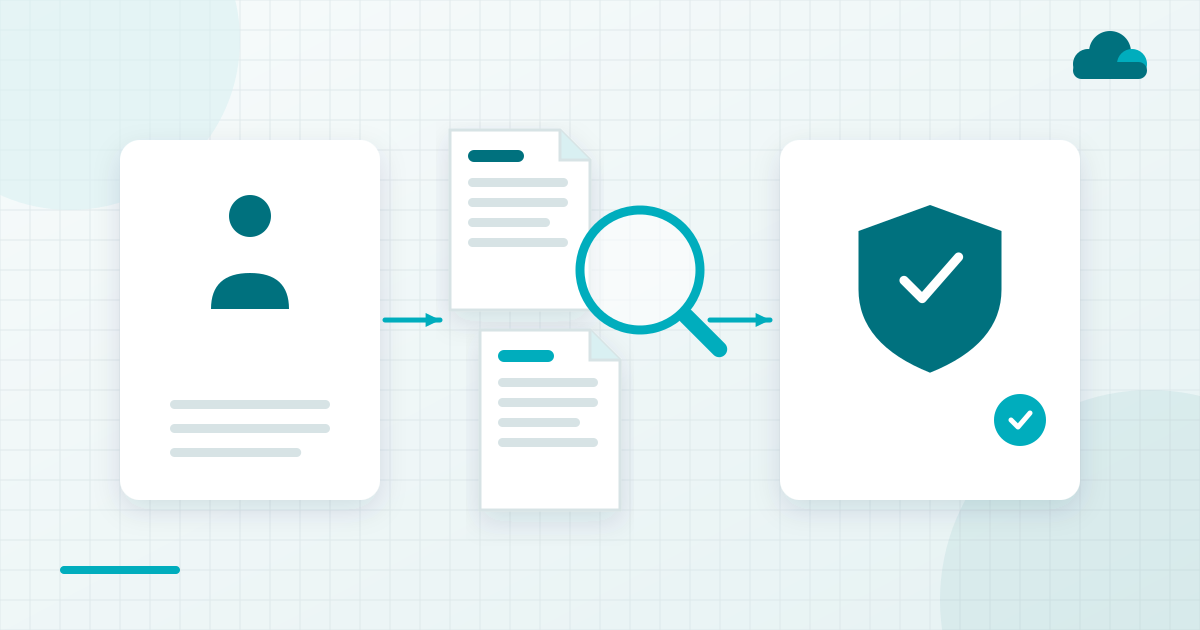
Accredited investor verification for a 506(c) raise means taking reasonable steps to confirm every purchaser is accredited before the sale. The SEC rule lists optional methods based on income documents, net worth documents, a professional's written confirmation or an earlier verification, and a sponsor may apply a principles-based method instead. Each verification goes on the investor's file.
An accredited investor is a person or entity that falls within one of the categories in Rule 501(a) of Regulation D, such as an individual meeting the income or net worth test. In a 506(c) raise, the sponsor must take reasonable steps to verify that every purchaser is an accredited investor before the sale.
What Accredited Investor Verification Requires in a 506(c) Raise
Accredited investor verification in a 506(c) raise is an obligation on the issuer, the entity selling the interests in the deal. Rule 506(c) requires the issuer to take reasonable steps to verify that each purchaser is accredited.
SEC staff guidance treats verification as separate from the requirement that every purchaser be accredited. Verification applies even if all the purchasers happen to be accredited, so an investor's word alone does not settle the question.
The methods the rule lists are non-exclusive and non-mandatory. A sponsor may use them or another approach that amounts to reasonable steps, and the listed methods hold only when the sponsor has no knowledge that the person is not accredited.
This page is educational and is not legal advice. Confirm the verification process with securities counsel before the raise opens.
Who Counts as an Accredited Investor
Accredited investors fall into the categories listed in Rule 501(a). The table summarizes the categories a real estate sponsor meets most often, with what verification looks at for each, including Internal Revenue Service (IRS) forms for the income test.
| Basis | Who Qualifies | What Verification Looks At |
|---|---|---|
| Income | Above $200,000, or $300,000 joint | Two years of IRS forms |
| Net worth | Above $1,000,000, excluding residence | Recent statements, credit report |
| Professional credentials | SEC-designated credential holders | Credential held in good standing |
| Issuer insiders | Directors, officers, general partners | Role with the issuer |
| Entities | Over $5,000,000, or accredited owners | Category the entity relies on |
The income test looks for individual income above $200,000, or joint income with a spouse or spousal equivalent above $300,000, in each of the two most recent years. The investor must also have a reasonable expectation of reaching the same level in the current year.
The net worth test looks for net worth above $1,000,000, alone or jointly with a spouse or spousal equivalent, excluding the primary residence. The rules on debt secured by the residence carry their own detail, which is a question for counsel.
Holders of professional credentials the SEC has designated also qualify, along with the issuer's own directors and executive officers. A general partner of the issuer qualifies too.
Certain entities qualify with assets or investments above $5,000,000 when they were not formed to buy the securities offered. An entity whose equity owners are all accredited investors qualifies as well.
How to Verify an Accredited Investor Step by Step
The steps below run in the order an investor relations (IR) team works them for each investor.
Choose the Verification Methods Before the Raise Opens
Decide which methods the sponsor will accept and write them into the onboarding steps, whether those run by email or through investor onboarding software for real estate sponsors. Every investor then hears the same request, and the team applies the same standard to each file.
Ask early. Verification placed between soft commitment and subscription keeps it from delaying the wire, and an investor who knows what will be asked can gather documents while the deal is still under review.
Verify Income with IRS Forms
For the income test, review any IRS form that reports the investor's income for the two most recent years. The rule names Form W-2, Form 1099, Schedule K-1 to Form 1065 and Form 1040 as examples.
Obtain a written representation that the investor reasonably expects to reach the same income level in the current year. For joint income, review forms for both the investor and the spouse, and obtain representations from both.
Verify Net Worth with Recent Statements
For the net worth test, review asset documents dated within the prior three months. The rule's examples include bank and brokerage statements, certificates of deposit, tax assessments and appraisal reports issued by independent third parties.
For liabilities, review a consumer report from at least one nationwide consumer reporting agency, also dated within the prior three months. Obtain a written representation that all liabilities needed to determine net worth have been disclosed, and for joint net worth cover both spouses.
Accept a Written Confirmation from a Qualified Professional
A sponsor can rely on a written confirmation from a registered broker-dealer, an SEC-registered investment adviser, a licensed attorney in good standing or a certified public accountant (CPA) who is registered and in good standing. The confirmation states that the professional took reasonable steps within the prior three months and determined that the investor is accredited.
The route often suits investors who already work with an adviser or a CPA. The sponsor keeps the letter itself, along with the date it was issued.
Apply the Principles-Based Method
Reasonable steps can also be judged on the facts of each purchaser and offering. The SEC's small entity compliance guide on general solicitation names the factors a sponsor weighs.
- The nature of the purchaser.
- The information the issuer has about the purchaser.
- The nature and terms of the offering, including any minimum investment amount.
In a no-action letter dated March 12, 2025, SEC staff said a high minimum investment can support a conclusion that reasonable steps were taken. The conditions include written representations that the investor is accredited and that the minimum is not financed by a third party for this investment, with no actual knowledge to the contrary.
The request behind that letter described minimums of at least $200,000 for natural persons and $1,000,000 for legal entities. The letter is staff guidance tied to the facts presented, so confirm the approach with counsel before relying on it.
In its 2013 release adopting Rule 506(c), the SEC said that requiring only a checked box on a questionnaire or a signed form, with no other information about the purchaser, does not amount to reasonable steps.
Re-Verify Investors from an Earlier Raise
An investor the sponsor verified before can be re-verified with less work. If the sponsor previously verified the investor under one of the listed methods and has no information to the contrary, a written representation at the time of sale counts as verification for five years from the earlier verification.
The record from the last raise pays off here. Without the earlier verification on file, the investor goes through a full method again.
Verify Entities and Trusts
For an entity or a trust, confirm which Rule 501(a) category it relies on. When an entity relies on all its equity owners being accredited, verification usually looks through to each owner.
The documents that satisfy reasonable steps for an entity depend on the facts, and the rule does not list them. Settle the entity approach with counsel before the raise opens.
Record Each Verification on the Investor's File
Record the method used, the documents reviewed, the date of verification and who performed it. The SEC's 2013 adopting release says it is important for issuers and their verification service providers to keep adequate records of the steps taken.
The date matters most, because the three-month document windows are measured back from it and the five-year re-verification period runs from it. A record kept with the investor's other files is the one the next raise will find.
Confirm Verification Before Accepting the Subscription
Accept the subscription only once verification is complete and on file. A countersignature that runs ahead of verification is the gap to close, because accredited status is assessed at the time of the sale. Keep the verification on the same investor record the raise used, so the next raise can rely on it.
Tools Sponsors Use to Verify Accredited Investors
Sponsors use four kinds of tools in verification, with the first three performing the review and the last one holding the result. Many raises combine more than one.
- The sponsor's own review of income or net worth documents against the rule's methods.
- Written confirmation letters from the investor's broker-dealer, investment adviser, attorney or CPA.
- Third-party verification services that perform the review on the sponsor's behalf.
- The sponsor's own investor records, wherever they are kept, holding the outcome and documents so a later raise can rely on them.
The obligation to take reasonable steps sits with the issuer under Rule 506(c), and the SEC has said an issuer may rely on a third party's verification when it has a reasonable basis to do so. Choose a service by whether its method maps to the methods the rule describes and whether its record can sit with the sponsor's own investor files.
How to Keep Verification Documents Secure
Verification documents need tighter handling than most investor files. Tax returns and credit reports are among the most sensitive documents an investor shares with a sponsor.
Limit access to the people who perform or review verification. Collect documents through a secure upload and keep them out of email attachments, where copies spread across inboxes.
Ask any platform or service holding these files how access is controlled and logged. Sponsors reviewing a platform can read how SponsorCloud approaches security before any documents move.
How to Plan Verification Before the Next 506(c) Raise
Planning verification before the next 506(c) raise starts with four decisions written down before the raise opens.
- The verification methods the sponsor will accept.
- Who performs verification, in-house or through a service.
- Where the verification record lives.
- When in the raise the request goes to each investor.
This page is educational and is not legal advice. Confirm the verification process with securities counsel before relying on any method.
SponsorCloud's investor platform keeps investor records and documents in one place, with a data room and investment records alongside an investor CRM that keeps one record per investor. To plan how investor records and documents will be organized for your next raise, schedule a consultation with SponsorCloud.
FAQs
How Do You Verify Accredited Investor Status?
A sponsor verifies accredited investor status by taking reasonable steps before the sale. The SEC rule lists optional methods, such as reviewing IRS forms from the two most recent years for income, or statements and a credit report dated within three months for net worth. A sponsor can also obtain a written confirmation from a registered broker-dealer, SEC-registered investment adviser, attorney or CPA.
Can an Accredited Investor Self-Certify in a 506(c) Offering?
For a new investor, a check-the-box questionnaire alone does not amount to reasonable steps, according to the SEC. A written representation can work in two situations. An investor the sponsor verified before can certify at a later sale, which covers five years from the earlier verification, and SEC staff have said written representations combined with a high minimum investment can support reasonable steps.
How Often Should a Sponsor Re-Verify Accredited Investors?
Net worth documents must be dated within the prior three months, and a professional's confirmation must rest on steps taken in that window. Once an investor is verified, the sponsor can rely on their written representation at a later sale for five years from that verification, as long as nothing suggests they no longer qualify.
Who Can Write an Accredited Investor Verification Letter?
Rule 506(c) accepts a written confirmation from four kinds of professional. They are a registered broker-dealer, an investment adviser registered with the SEC, a licensed attorney in good standing or a CPA registered and in good standing. The letter must state that the professional took reasonable steps within the prior three months and determined that the investor is accredited.
Does a High Minimum Investment Count as Verification?
It can support verification under the principles-based method. In a March 2025 letter, SEC staff said a high minimum investment is a relevant factor, alongside written representations that the investor is accredited and that the minimum is not financed by a third party for the investment. The staff view is fact-specific, so confirm it with securities counsel first.
What Records Should a Sponsor Keep for Accredited Investor Verification?
Keep the method used, the documents reviewed or the confirmation letter, the date of verification and who performed it. The SEC's 2013 adopting release says issuers and their verification service providers should keep adequate records of the steps taken. The date matters most, because the document windows and the five-year re-verification period are measured from it.
Should a Sponsor Use Accredited Investor Verification Software?
Verification software or a verification service can perform the review on the sponsor's behalf, and the obligation to take reasonable steps stays with the issuer. Choose a tool by whether its methods match the ones the SEC rule describes and whether its record can sit with the investor's other files. This answer is educational and is not legal advice.

Jacob Blackett
CEO and Co-Founder, SponsorCloud
Jacob Blackett is the CEO and co-founder of SponsorCloud. He raised capital and ran commercial real estate as a sponsor before he built software for other sponsors, and he still manages funds today. He built the platform that became SponsorCloud to solve problems in his own raises, tested it against real capital and real deadlines across his own portfolio, and then opened it to other GPs.
Related Signals

How to Handle an LP Who Wants to Sell or Transfer Their Interest
Jacob BlackettThu, Nov 19, 2026
What Every LP Capital Account Statement Should Show, Line by Line
Jacob BlackettThu, Nov 19, 2026
How to Give LPs One View Across Every Deal They Have With You
Jacob BlackettWed, Nov 18, 2026